AI Wearables
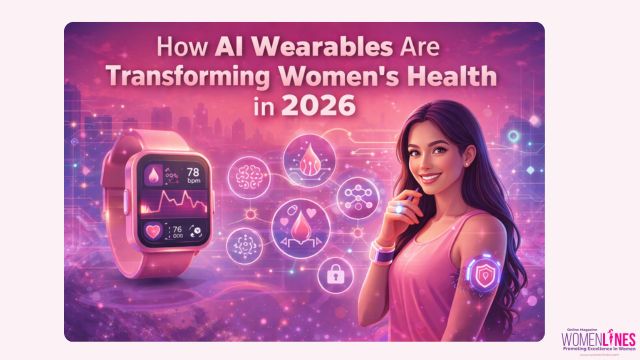
In 2026 AI wearables will be really useful for women. They will do a lot more than just count steps or track sleep. AI wearables are like health companions, for women. They help women understand their habits and the changes that happen in their bodies. AI wearables also help women see patterns in their health over time. Accordingly, AI wearables are becoming a part of women’s health and wellness.
These devices gather information from sleep, activity, stress, food and menstrual cycles. This helps women understand their health better. They can see things clearly and are more personal. Women do not have to wait for problems to show up. They can see signs and make changes to their daily routines.
This change is a deal for women’s health. It is a time when technology helps people learn more about women’s health, make choices and feel confident about women’s health.
FemTech Innovation in 2026: Women Leading the Change
The FemTech space in 2026 is truly being changed by women founders, doctors and people who make policies. They know that women’s health is different, for each woman. The FemTech space is seeing a lot of things because of this. For example you can wear devices that use Artificial Intelligence now. These devices are made to work with your life like when your hormones change or when you get older. The FemTech space and Artificial Intelligence wearables are a part of women’s health.
These tools are not just sitting on the side anymore. They are now a part of the care we get every day. Doctors use the information from tools to get a better idea of what is going on with symptoms. Women use these tools to track things that they would not normally notice.
Good leaders in FemTech make sure everyone knows what is okay. What is not when it comes to ethics and safety and privacy.
The goal of FemTech is not just to come up with ideas but to make things that women can really trust, things that take care of personal information and help women get the care they need. FemTech is about making sure women feel nurtured.
Personalized Wellness That Fits Real Life
Wellness that is tailored to fit into our lives you know, the kind of wellness that actually works for people, like us who have real lives. Personalized wellness is what we are talking about here wellness that fits our life.
Special devices that you wear like watches help women understand how their bodies are doing when they make choices. For example women can see how their bodies react to the time they go to sleep, the time they exercise, how stressed they are and the food they eat. Wellness is about making good choices and these devices can help women with that.
For example a woman may notice that when she does not sleep well it affects her mood and energy levels a lot during times of her menstrual cycle. Another woman may find out that doing workouts helps her feel better at specific times of the month. This kind of information makes taking care of her wellness feel like something she can really do, not something that feels too much to handle.
When doctors and nurses look at this information it helps them make choices including:
- Earlier identification of potential health concerns
- More meaningful doctor/patient conversations
- Stronger engagement with preventive care
I think what people really need is a way of living that works for them. Lifestyle guidance should be about helping each person find what is best for their life. This means the guidance should fit the needs of each person so they can live the way they want to. People have needs hence the guidance should be different, for each person.
When you use personalization in a way, personalization is competent. It makes you feel like you are in control, like someone is watching you all the time. Personalization can be undeniably helpful when it is done right.
Understanding Hormonal Health Through Everyday Signals
Our bodies go through a lot of changes as we get older like when we’re teenagers and go through puberty, when we are pregnant after we have a baby, when we are getting close to menopause and when we are actually in menopause. The hormonal health changes we experience during these times can be really different for each person.
Hormonal health changes are very important to pay attention to.
Some devices that we can wear, like watches, can help us keep track of what is going on in our bodies during these hormonal health changes.
These devices can look at things, like how hot or cold our body’s how our heart is beating, how well we are sleeping and what symptoms we are feeling to help us understand our hormonal health changes.
Wearables do not actually measure the hormone levels in our body. They can show us trends that we should think about. If our period cycle is getting longer or shorter or if we are feeling really tired or if our mood is changing a lot or if we are not sleeping well these things can mean that our hormone levels are changing. Wearables can help us see these changes.
A woman who is getting close to perimenopause might see that she is having trouble sleeping all the time and feeling more stressed. This is something that can happen over time. If we notice this pattern doctors can talk to women about what’s going on sooner rather than waiting until it is too late. Perimenopause can be a time for women and sleep disturbances and stress are common problems that women going through perimenopause might have.
Wearable data is really useful when it comes to our health. It is meant to help us not take the place of going to see a doctor. When we use data with the help of a medical professional it can be a really good way to stay healthy over time. Wearable data is a thing to have because it gives us more information about our bodies and that is what wearable data is all about.
How AI Wearables Use Health Data And Protect It
AI wearables get information from lots of places. They look at how you move, how you sleep, your heart rate and things that tell them you are stressed. They even track your cycle. Subsequently AI systems try to find patterns and connections in all this information from the AI wearables. This helps them give you ideas about what the information from the AI wearables means.
When you have a lot of information you have to be careful with it. Privacy and consent are important things. Women should always know:
- What kind of information is being gathered from the data.
- Who has the ability to access the information or the thing we are talking about.
- How to turn sharing on or off.
FemTech companies are making sure that people have control over their information. They are doing this by building things like consent controls, secure data storage and transparent explanations. This way users of these companies can stay in control of their stuff.
When FemTech companies treat people’s privacy and their ability to understand what is going on with importance people start to trust them.
Why Interoperability and Consent Matter
For technology to really help with health it needs to work well with healthcare systems. When a woman wants to share her information, wearable technology needs to be able to share data with apps and medical records.
Consent should be easy to understand. It should also be flexible and reversible. Women may want to share some of their data with a doctor. At the time they may want to keep other things private.
When we have options for giving consent it helps to avoid confusion. This way women can feel confident when they use these tools.
When you think about it, no matter where you are or what the rules are, the main idea is always the same: women’s health data should be treated with respect, care and accountability.
Predictive Health Patterns and Proactive Care
One of the cool things about AI wearables is that they can find patterns early on. When you look at data from a time the AI can point out changes that might mean something is wrong later on.
These insights are really helpful when you think about them carefully. They help women and doctors take action sooner. This means women and doctors can change their routines, look into different treatment options or just pay more attention to things before they become big problems.
When we make predictions we have to make sure people understand them properly. We need to explain things in a way so people do not get too scared or worried for no reason.
Conclusion: Technology That Supports Choice, Not Control
AI wearables in 2026 are really useful when they help us understand things. They should not be constantly checking on us.
When women are in control of their data they can see what is going on and decide what to do with that information. This makes technology something that helps women feel good about themselves, not something that stresses them out.
As FemTech continues to grow, responsible design, privacy-first systems, and inclusive leadership will determine its impact. With the right balance, AI wearables can help women navigate change, anticipate needs, and care for their health with clarity and control.
Frequently Asked Questions (FAQs)
What are AI wearables in women’s health?
AI wearables are devices like smartwatches or health trackers that collect data about sleep, stress, heart rate, activity levels, and menstrual cycles to help women better understand their health patterns.
How do AI wearables help women track hormonal health?
AI wearables do not measure hormones directly, but they track patterns such as sleep quality, mood changes, heart rate, and cycle variations which may indicate hormonal shifts.
Are AI wearables safe for personal health data?
Many FemTech companies focus on privacy-first design with consent controls, secure storage, and transparency so users understand how their data is collected and used.
Can wearable data replace doctor visits?
No. Wearable data is meant to support health awareness and provide additional insights. Medical advice and diagnosis should always come from qualified healthcare professionals.
What is FemTech and why is it important?
FemTech refers to technology designed specifically for women’s health needs, including reproductive health, hormonal health, pregnancy, menopause, and overall wellness.
Author
Sneha Ingle
Intern Womenlines
Also read:AI for Women: What No One Is Clearly Telling You (And Why It Matters Now)
Follow Womenlines on Social Media