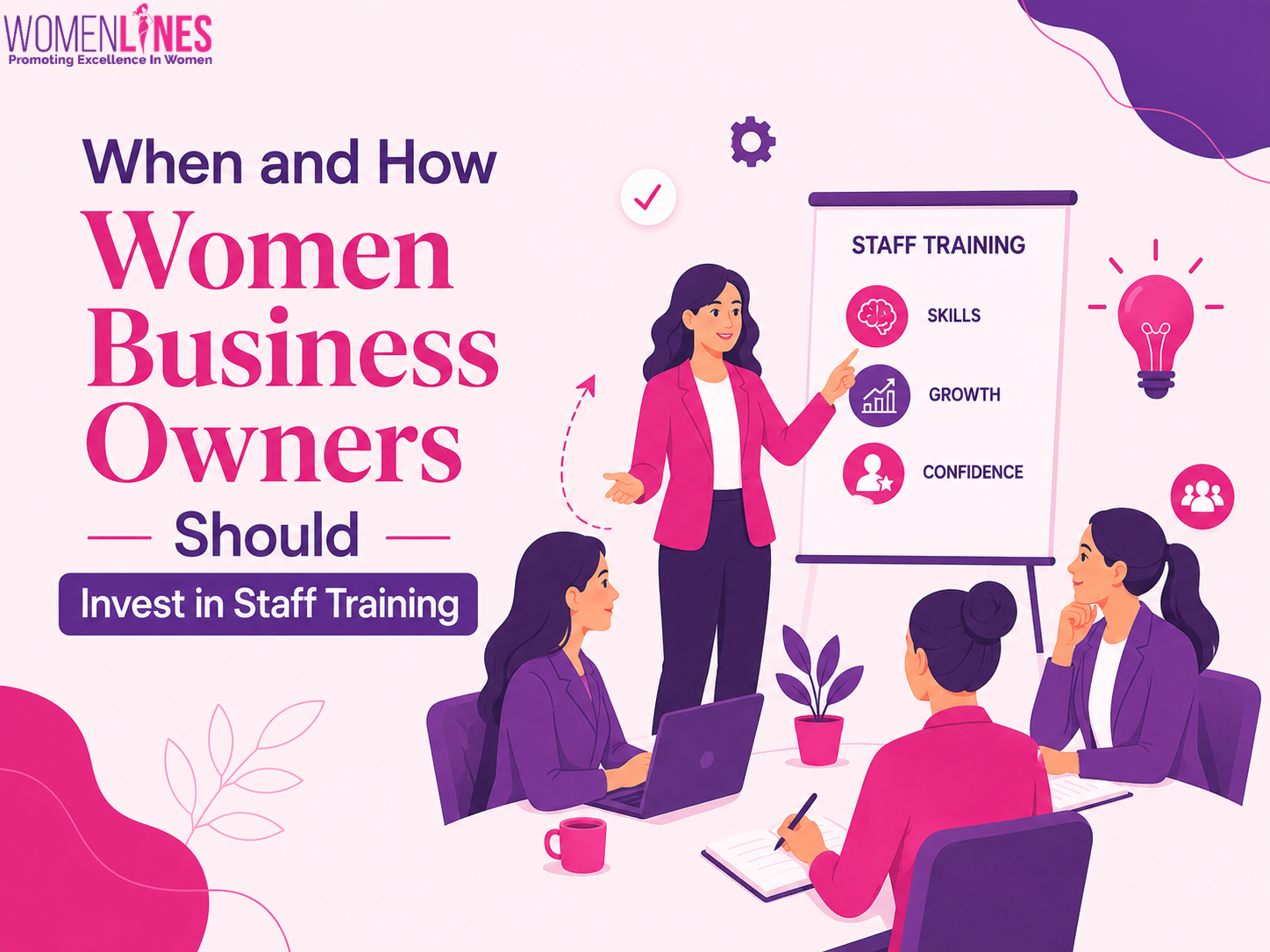
For women business owners running lean teams, employee staff training often sits behind client work and daily operations until mistakes, rework, or uneven service start draining momentum. The tension is real: investing time and money in training can feel risky when the business needs results now, yet skipping it quietly turns small skill gaps into costly operational drag. Treated as a business growth strategy, training creates compounding employee development benefits, more consistent performance, faster onboarding, and clearer accountability across roles. The training investment importance shows up when the business can’t afford miscommunication or avoidable errors anymore.
Make Audio Training Clear Across Languages
If training is your growth lever, it only works when every employee can clearly understand what you’re asking them to do, no matter what language they speak. For international teams, language barriers can quietly undermine even great training materials: people may nod along, miss key details, and then improvise in inconsistent ways.
Make your message accessible by ensuring your training and onboarding content is available in the languages your employees use day to day, so expectations, safety guidance, and customer standards land the same way for everyone. When you’re working with recorded modules, you can speed this up by using a handy tool to online translate audio into multiple languages while keeping the original speaker’s voice characteristics, like tone and cadence, for quick, natural-sounding results.
Understanding a Simple Skills Gap Analysis
A skills gap analysis is a structured way to compare what a role requires with what your team can do today. Start with clear role expectations, then add a quick employee knowledge assessment to see where confidence and competence actually sit. Think of it as matching job standards to real-world performance, not guesses.
This matters because training is only a growth lever when it targets the few skills that unblock results fastest. When hiring managers say gaps are rising, it is a signal to train with intention instead of offering generic courses. The payoff is fewer errors, smoother handoffs, and stronger customer experiences.
Imagine a shop manager who wants faster checkout and fewer refunds. You compare the cashier role checklist to what staff can explain and demonstrate, then prioritize the one or two weak points causing most issues. With priorities clear, you can set goals, choose formats, schedule training, and collect feedback each cycle.
Turn Skill Gaps Into a Training Plan That Works
Training only pays off when it connects to a real result and fits into real workdays. Use this cycle to set clear training program goals, choose the right learning delivery modes, protect workload with smart scheduling, and use employee training feedback to improve each round.
-
Set one outcome-based training goal
Start with the single business result you want to improve (fewer errors, faster turnaround, higher sales conversion), then name the skill that drives it. Write a simple target you can measure in 30 to 60 days, so you know what “better” looks like. Keep it narrow so training stays focused and finishes. -
Choose online, in-person, or blended delivery
Choose online for repeatable basics, quick refreshers, and flexible schedules; choose in-person for hands-on practice, sensitive conversations, or quality checks. Pick blended when you want short online lessons followed by a live practice session to lock the skill in. Match the format to the skill, not to personal preference. -
Map a schedule that protects daily workload
Block training in small, predictable chunks (like 30 to 60 minutes weekly) instead of long days that create backlogs. Stagger attendance so coverage stays steady, and build in practice time during normal shifts so learning turns into habit. Confirm who covers what in advance to avoid last-minute stress. -
Build quick practice and check-ins into the plan
Add a simple “show me” moment after training, such as a role-play, a short task demo, or a checklist run-through. Do a brief follow-up in one to two weeks to see what stuck and what is still confusing. This keeps training tied to performance, not just completion. -
Collect employee training feedback and improve the next cycle
Ask three questions right away: what helped most, what felt unclear, and what would make this easier to use on the job. Pair that input with one or two results metrics, then adjust the next round by tightening the content, changing the format, or shifting the schedule. Treat feedback as a tool for better outcomes, not a report card.
Decide When a Degree Beats a Workshop
Once you’ve mapped the skill gaps and the training format that fits, the next question is whether the role needs deeper expertise than a workshop can deliver. Encouraging an employee to pursue a master’s degree makes sense when their job truly demands advanced knowledge or leadership development, and when that investment clearly supports long-term business goals. For example, if you need someone to lead analytics strategy (not just run reports), you may be trying to build graduate-level depth in how data is gathered, interpreted, and applied across the business. In cases like that, a data analytics master’s can help develop skills in data science, theory, and application, capabilities that go beyond most short-form courses.
Staff Training Investment Questions, Answered
Q: When is the right time to invest in training without hurting operations?
A: Invest when a skill gap is already slowing work, causing rework, or blocking a growth goal. Protect productivity by using short sessions, rotating coverage, and scheduling learning during predictable slow periods. Start with one role or one team so you can adjust before scaling.
Q: How can I train employees when we are already stretched thin?
A: Choose formats that fit your workflow, like microlearning, shadowing, or one hour weekly labs tied to real tasks. Put a clear cap on time, then remove or automate one low value task to “fund” the learning hours. Training works best when the next day includes a chance to apply it.
Q: What should I look for to know a program is actually effective?
A: Require a practical deliverable such as a checklist, template, sales script, or dashboard the business will keep using. Ask for proof of practice, not just completion, like coached role plays or graded work samples.
Q: Should I pay for training if I am worried they will leave?
A: Yes, if the skills are mission critical and you pair support with a simple retention agreement and a clear growth path. Many firms have increased spending on training because the bigger risk is being understaffed and under skilled.
Q: Can I start small and still get results?
A: Absolutely. Use a 30 day pilot with one measurable target, then decide whether to expand, pause, or change vendors based on outcomes.
Understanding Lightweight Training Measurement
When training is meant to fix real work problems, you need a simple way to see if it is actually changing daily behavior. A lightweight measurement system combines a few employee performance metrics, quick on-the-job observation, and short manager check-ins, plus clear before and after indicators tied to the task.
This matters because training can feel busy while results stay flat. The idea behind true training ROI measurement is linking what people learned to what they do differently and what improves in the business, so you can adjust early instead of waiting months.
Picture a customer support hire learning de-escalation. You track first-response time and refund rate, listen to two calls a week, and do a 10-minute weekly coaching chat. If those numbers stall, you change the practice plan, not just buy more courses. With basic signals in place, supportive leadership can turn feedback loops into steady learning habits.
Turn Staff Training Into Consistent, Measured Team Growth
It’s easy to want better performance and retention, yet hesitate because training feels costly, time-consuming, and hard to prove. The steadier path is simple business owner training guidance: set a clear priority, build supportive leadership in training, and use lightweight measurement to keep effort tied to outcomes. Done well, team development motivation stays high because progress is visible and employee learning encouragement becomes part of daily work instead of a one-off event. Train small, measure simply, and repeat what works
Author
Julia Merrill
Also read: Retirement Planning for Doctors: How Doctors Can Plan a Purposeful and Financially Secure Retirement
Follow Womenlines on Social Media