



Womenlines brings tarot readings to its readers’ by an experienced online tarot cards reader Ms Madhvi Singh (12 years experience) from India. Ms Madhvi Singh, needing some answers herself, decided to understand the science of Tarot a few years back. At the end of it, she not only got her answers but her perspective to life changed, to encompass empathy with people who she came in touch with. As she exercised her Tarot reading skills for her friends, relatives and herself, word got around and soon she found many people needing support and advice to the immediate questions in their life.
Tarot reading comprises of intuition honed by experience and interpretation of each of the images with the collaborative energy of the person for whom the reading is done. The message for that person is channelled through the Tarot reader, whose skill and intuition helps crystallize the message and pass it on to the other person.
Tarot Predictions for August, 2019.

Aries(Mar 21-Apr 19)
Arians, this month will get off to a slow start. It will lead on to good management of work, finance and career. Be open to advise from seniors. Health will remain good, and you will be feeling happy. There may be travel as well. All in all, you will have an enjoyable time.

Taurus(Apr 20-May 20)
Taureans, this month may see confusions on some fronts. You may see some challenges on the Finance front too. Tasks may get delayed, it is best to let nature take its own course and leave everything to higher energies. Take care of your health. Meditation can help you.

Gemini(May 21-Jun 20)
Geminians, the beginning of this month will see an increase in workload. Do plan and tackle it so that it does not stress you out. Be open to advise. Health will remain good. There may be work-related travel. Everything will get sorted out towards the end of the month.

Cancer(Jun 21- Jul 22)
Cancerians, this month will be good for ladies. Career and finance will see good progress. Health will be good. You will be generally happy. Take out time for yourself.

Leo(Jul 23-Aug 22)
Leos, this month will start on a good note. There may be a feeling of helplessness towards the middle of the month. Keep a watch on your health. Think and act as your actions shouldn’t cause you damage. Keep your calm, meditate if you can. Let each task take its own time.
Virgo(Aug 23-Sep 22)
Virgos, this month sees the  happiness on all fronts. There will be happiness in the family as well. If you are thinking of investments in property now would be a good time. Health will also be good. There may be travel with family.

Libra(Sep 23-Oct 22)
Librans, this month too may be challenging. There will be lot of work on the job front. This may set you thinking about change. You may consider returning to earlier place of work. Do as much work as you can, but do not get stressed out. Take care of your health and finances.

Scorpio(Oct 23-Nov 21)
Scorpios, This month may see some overseas trips. You will be meeting many people. Some of them may turn into lasting relationships. Health will be good and you will be happy. Things may be slow on the career front.

Sagittarius(Nov 22-Dec 21)
Sagittarians, this month will be good for you. Work will progress faster. Finances will be good. A family member may visit. You will be happy. Take care of yourself.

Capricorn(Dec 22-Jan 19)
Capricornians, this month will see some ups and downs in your moods. Take care of your finances. Control your expenses. Do not lend money. Health will be good. Keep a check on your emotions. Take care of yourself.
 Aquarius(Jan 20-Feb 18)
Aquarians, this month will start on a good note. Some long-standing desire may get fulfilled. You will be generally in a very good mood. Health will be good. Towards the end of the month, you may feel a bit lonely. Meditation will be beneficial.
 Pisces(Feb 19-Mar 20)
Pisceans, this month can see all tasks get done in a fulfilling way. New opportunities come knocking. There may be travel. Health will remain good. Work will take its own time. Better to keep patience.
Tarot Reader: Ms.Madhvi Singh
Mobile: 91-98677 82674
E-mail: madhvi_s@hotmail.com
Womenlines is delighted to welcome Dianna Booher, MA, CSP, CPAE, who is in the list of top 20 coaches in the world, in the’Entrepreneur/Professional of the month show!
Dianna works with organizations to help them communicate clearly and with individuals to increase influence by a strong executive presence.
Dianna is the CEO of Booher Research Institute and founder of Booher Consultants, Inc, which is now part of Communispond. She’s a prolific author of 47 books, published in 60 foreign-language editions. Dianna Booher has been delighted to speak at venues all around the world, including numerous international conferences in the United States, South America, Europe, the Middle East, Asia, and Africa. Listen and read about her interesting and inspirational journey and what she is looking forward to-
- Dianna, can you briefly walk us through your story – how you started to where you are today!
Actually, it’s not a glamorous story. I didn’t start out as a professional author and public speaker. Far from it. I fact, I started my consulting and coaching business as a young mom with two small kids and a husband struggling with severe depression. Although I substitute teaching a few days a month, I feared that my husband wasn’t going to be able to hold his job much longer and that I was about to become the sole support for our family.
“So what do you LIKE to do?” a friend asked me, as we began brainstorming full-time job possibilities.
“I liked to write English compositions back in school. But how do I make a living doing that?”
“I suggest you find out,” my friend responded. 
So I did. I drove to the library and checked out every book I could find on writing—from writing mysteries and romance novels to writing inspirational articles and press releases, and even creating greeting card verses! I taught myself the principles of good writing—all the things that I failed to pick up in high school and college English classes—along with the process of writing and publishing a book. So I put together a book proposal from what I’d learned in my reading. And voila! I got an agent and sold that first book to a major publisher! Once the book was scheduled for release, I developed a training course around the book’s contents.
Then when the publisher sent me on an author tour, my phone began to ring. People called, asking I could come to speak to their organizations. To date, I’ve repeated that process 48 times—and built a team behind me to present my programs so that I could devote even more of my time to writing books. About 2 years ago, I sold my training company (Booher Consultants). I founded a new company (Booher Research Institute), where I now focus solely on consulting and coaching individuals—and still do some keynote speaking.
2.) What are you most passionate about in the coaching and training venture? Where’s the heart of your work?
Two areas: The first is communication—in all its forms, whether that’s an executive presence, writing, speaking, interpersonal skills, enterprise-wide communication flow, shaping a core branding message.
The second area of passion is book coaching. I absolutely love helping other thought leaders get their message out into the world. Many people have the expertise, but simply don’t know how to present their expertise in a way that the layperson can understand it easily and apply it to their own situation. That’s where I come in. I help these prospective authors shape their expertise into a marketable idea, put together a great book proposal, find a suitable literary agent, and win a book contract from a major publisher. Finally, I help them marketing and use that book to promote their career, product, or service. A major book is a tremendous career boost.
3.)How you got interested in Business Communication?
Two things first piqued my interest in business communication: Many years ago my friend, vice president of engineering at ExxonMobil, used to laugh often about how well-educated engineers struggled to write reports. He told me the exorbitant fees they paid an outside consultant to teach their staff several times a year to improve their writing. Those fees were enticing!
The other key prompt was this incident: I was teaching a novel-writing course at night at a local university. On the first night each semester, I asked each student to tell me why they had enrolled—what project they were working on currently. To my shock, at least half of the registrants were business people saying they just needed help on the job. So I figured if there were that many people in a novel-writing class on their own time and at their own expense, business writing must be a huge need. So put together a book on the topic and a course.
Then corporate clients started asking me to broaden my reach—to teach presentations skills, interpersonal communication, effective meetings, and customer service communication. So the “umbrella” of business communication simply spread wider.
4.)What are common pitfalls to be avoided over email so that one gets faster / quicker response over email?
Several pitfalls:
–Staying on a distribution list long after the need for that emailed report or document has passed. In other words, the weekly or monthly information sent is no longer useful to you
–Using email for tasks that can be better handled by other software programs (like calendar programs or project manager programs)
–Misusing the REPLY ALL feature and cluttering everyone’s email box with meaningless responses
–Disorganized emails, with the core message and action at the end, causing people to have to re-read the email
–Keeping your email open all the time and checking it every few minutes
5.) Could you kindly share with us some of your best tips for being persuasive if you’re selling or marketing a product or service?
Make “say it in a sentence” your motto. That is, summarize your key selling point or your core message (reasons for buying) succinctly in one or two sentences. In fact, start there. Begin with the end. Forget the warm-up drill. People need to know what your point is from the very beginning. Say it, and then build your case.
A second tip: Establish trust. Trust lays the foundation for persuasion. You will never persuade anyone who does not trust that you have their goodwill in mind.
Finally, sell the dream. Focus on what the product or service will DO for the customer—NOT how it works or how it looks. Tell them what problem it solves or what benefit it provides.
6.) Could you kindly share tips for women to enhance their executive presence in meetings?
I’m so glad you brought up this question! I hear this complaint so often from women: “They talk over me.” To hold your own in a meeting, set yourself up to hold the floor. Start out by letting people know that you intend to finish and overview what you plan to say. For example: “Sandeep, you raised a good question earlier about how to increase attendance at the conference. I have three ideas along those lines. First, we should ….” Then if you get interrupted after you first point, say, “Excuse me, but I wasn’t finished. I’d like to share the other two ideas. Then simply continue.
Also, executive presence has much to do with a physical presence. Take up space—literally. Stand up when you speak, if necessary, to get the floor. Use larger gestures. Use a firm volume. Take up more space. Move.
7.) How can storytelling element be used in the professional world?
Storytelling is always appropriate. By definition, a great story formula is this: A hero or heroine struggles against obstacles to achieve an important goal.
Here are some great storylines from the business world that fit that formula:
–The new manager overcame distrust and resistance of her staff to lead her team to win the CEO’s top sales award of the year.
–The customer service agent overcame a nasty lawsuit from a client for something she did NOT do and ultimately won her lawsuit and got her job back, including bonus pay.
–With limited budget and staffing, a new widget on the market (the “hero”) fought against two strong competitors with longstanding reputations in the marketplace to win 75 per cent market share after two years!
8.) Can you share some secrets to increase influence in meetings?
In addition to the tips on executive presence, review the agenda beforehand. Be prepared by bringing any available data. Prepare relevant questions to raise for discussion. Formulate your thoughts so you can express an opinion in a succinct way. If you’re the meeting leader, take charge. Don’t let things wander.
9.)Please tell us about your book which has got published in June!
Thanks for asking. The title pretty well sums it up: In Faster, Fewer, Better Emails, I’ve provided strategies and tactics for managing the overwhelming volume that seems to be zapping just everyone’s productivity these days—as well as creating stress. If you think about it, most business writing today is email writing. Yet many people still struggle to write emails that get results. And some writers treat email so carelessly that they create legal liabilities and security risks. The thing is—many people blame others for their overflowing inbox! They think those terrible people who SEND all those unwanted emails cause the problem.
But our survey of email practices shows that, for the most part, people create their own email overload. So this book gives them many very practical tips to dig their way out of email jail so they can go home every night with an EMPTY email box. All communication handled effectively! What’s to gain—a real career and productivity boost!
Leadership Demystified Webinars are going to organize a webinar by Dianna Booher on 23 Aug which can be attended from any part of the world. Dianna would be helping participants to learn to communicate like a leader over email. We all write emails but we miss on like how much to say.
Open for professionals, students and people from all countries. Certainly not be missed.
So lock your date for 23rd August 2019 we have very few seats left.
Empower and equip yourself with powerful tips and tools to communicate effectively like a leader. Leadership Demystified Webinars has requested payment of Rs 2500 (https://securegw.paytm.in/link/1564413912528/LL_9953595) or
60 S$ (http://bit.ly/LD_Womenlines_Dianna) as the registration fees!
Womenlines Digital Wonders Campaign
Womenlines presents ‘Digital Wonders Campaign’ reporting about exclusive brands which can help people to achieve excellence in life.
It is pleasure to share about Yafot Wellness from Singapore which stands out in the field of wellness centres through its holistic offerings based on cutting edge latest technologies along with expert health, nutrition and homoeopathic consultancy to enhance one’s wellness.
Yafot wellness is offering Homeopathic consultancy under Dr Charuta Deshpande, who is having an incredible experience and knowledge, which she wants to use by helping out people suffering from various illnesses especially in a holistic way. Book a free consultation with Dr Charuta Deshpande at Yafot Wellness to have an understanding of how homoeopathic way of treatment can be helpful to you. This week Dr Charuta is sharing very informative article highlighting about what is Homeopathy-
Homoeopathy a system of Complementary and alternative medicine. It was first discovered by a German physician, Dr Samuel Hahnemann in the 17th century. It’s a natural system of healing which acts by boosting the body’s innate power of restoring balance. The homoeopathic remedies procured from natural sources are prepared by a process of dilution making it very safe for consumption without any side effects.
How popular is Homeopathy?
Homoeopathy is practised all around the globe, in UK, Europe – France, Italy, Switzerland, Greece, some states in USA, Singapore, India, Malaysia, Russia, Australia to a lesser or greater extent. It is currently being used by over 400million people all over the world.
Homoeopathy at Yafot Wellness
Dr Charuta Deshpande is the homoeopathic practitioner at Yafot Wellness. Having a total of 8.5 years of education in Homeopathic medicine, she specialises in psychosomatic and psychological disorders. Advocating an integrated approach in treatment she plans to work alongside other experts in the respective areas.
(https://www.womenlines.com/benefits-of-homeopathy/)
What makes Homeopathy so popular?
No side effects of the remedies, gentle and effective action and remedies suited for all body types is what makes it popular. Also, the holistic approach that means considering the whole body-mind-soul as a unit and special importance to finding out and treating the cause of the sickness achieving quality betterments is fascinating to those who experience it.
Are Homeopathic remedies safe?
Homoeopathy is perfectly safe. The homoeopathic remedies are made from a very small amount of the active ingredient. Two hundred years of practice, research and trials have proved the safety of this gentle system of alternative medicine. It can be used for both children and adults.
Why homoeopathic remedies are safe?
Homoeopathic remedies have no side effects and are very gentle in their action. Firstly, because they are prepared by a process called potentisation (dilution method) so that a final remedy is a very minuscule dose of the original natural substance. Secondly, because the remedies do not contain anything unnatural like chemicals, herbs or hormones.
How does Homeopathy work?
Homoeopathic medicine work by stimulating the individual’s vitality (body’s innate capacity to heal). Vitality is found to be the essence of our liveliness and happiness. When this vitality is depleted, weakened or imbalanced, then we become ill. This is the first step to sickness, after which we start developing mental and physical symptoms. Homoeopathic remedies work to restore this vitality alongside the symptoms.
Two main principles of Homeopathy-
- Address the person with the problem and not the problem in the person
- Every individual is unique, so each one requires a uniquely tailored remedy to restore the balance
What is the nature of Homeopathic Consultation?
A homoeopathic consultation is a detailed interview where the practitioner is trying to understand you as a person (on physical-emotional-spiritual levels) with each question. This interview is the most important milestone in the treatment. You are asked a series of questions about your physical and emotional makeup that includes (physical level) eating habits, nature of sleep, temperature preferences, lifestyle and (emotional level) childhood incidences, upbringing, temperament, personality, usual reactions to stress and such. In addition to this your family history, medical history and treatment history is also considered.
All this information is used to match with the remedy pictures in homoeopathic literature to find that one best similar remedy.
If you wish to explore the option of Homeopathy and still have some questions, feel free to use the first “information appointment” for free! We can talk about your issues, how homoeopathy can help, the costs and more.
 Dr Charuta is an M.D in Homoeopathy (Mumbai, India), a certified Counselor (Mumbai), Autism expert and a Speaker. Having 6 years of practice, experience, she specializes in Psychosomatic i.e. stress-related and emotional and psychological disorders.
Address:
360 Orchard Road, #03-16/17, International Building, Singapore 238869
Facebook: https://www.facebook.com/yafotwellness/
Contact no- 6951 1220
E-mail- charutadeshpande@outlook.com
To know more about Yafot Wellness Visit-
https://www.womenlines.com/detoxification-through-essential-detoxification-by-yafot-wellness/
https://www.womenlines.com/dr-muller-infinity-red-light-therapy-device/
https://www.womenlines.com/benefits-of-homeopathy/
Womenlines takes pleasure to share about a powerful campaign in Nigeria named ‘Building Young Entrepreneurs(BYE)’. Founder Bright Oloyo, Motivational speaker, Business consultant, mentor, career coach and C.E.O of Black Pride Multipurpose Company, with a collection of seasoned Entrepreneurs from around the world are embarking on a rescue mission “Building Young Entrepreneurs” across Nigeria, Africa’s most populous black nation. This campaign is based on the theme ‘Steering Young Minds Towards Entrepreneurship and Good Leadership.’ Considered to be the biggest campaign running over 1000 schools across Nigeria.
PART 2(Click Part 1 to read)
I opened the back door and got in. the driver turned and said good evening sir are you Mr Bright?. I looked at him and we both froze ………..Sitting right there in front of me was Tony, the best graduating student in my set. I could hardly believe my eyes. I called him by his nickname uncle Thomas, been short for Thomas Edison. He called mine “Funnybone” (I always had a joke or two back then in school). We screamed, I alighted and came to seat in front with him, and we hugged.
Tony, was not just an ex coursemate, we were in the same scripture union (a Christian group) and he was the president, while I was the vice back then in school. We lost contact after graduation and posting for the mandatory National Youth Service Corps (NYSC), we were posted to different states.
He called me a big man (rich man) and said he will have to end the trip so I can buy him a few drinks and we could catch up. Before I could respond, he had ended the trip. Alarmed I told him the unfortunate incidence of my wallet. He sympathized and offered to drop me off for free, but insisted we hang out a bit on his tab, and I promised to revenge (reciprocate) on our next time out.
However, I told him we needed to eat first because I didn’t want to drink on an empty stomach. To reduce expenses, I usually skipped dinner (I didn’t tell him that thou). We spotted an eatery and he drove in, as I ate a lot went through my mind. What was Tony doing driving a cab, I concluded it must be an adventure for him, for Tony loved trying new things.
After eating, he took me to a lounge for drinks, and we chatted about anything and everything. He told me he now had two kids, he got married right after the one-year mandatory service to Mabel, a year two student who was also a member of the scripture union back then in school. I remembered Mabel, she was quite pretty with a face you could not forget in a hurry, thou I never knew they had anything between them. I admired him, he had a family and a car, while I was still squatting with a friend and living from hand to mouth.
He asked me where I worked, as I told him his eyes were lit with admiration and his next words startled me. “Bright, you have to help a friend. Things are very difficult for me and my family right now”. He told me he had to get married to Mabel because she got pregnant and they didn’t want to commit another sin by aborting. He virtually saw her through school because her parents stopped financing her education after she got pregnant. It has been one menial job to another just to make ends meet and training two kids has made it more tasking.
His eyes were teary as he narrated his ordeal, no meaningful job since graduation, his wife was working at a private primary school where the kids attended for a paltry ten thousand naira (N10,000 / $25) monthly salary. The Uber car he drove wasn’t his, it belonged to a mean young man who never attended a university but had a thriving electronics business. He constantly threatened to retrieve the car from him at the slightest provocation, and actually did a few months ago when he failed to meet his weekly payments due to his eldest son been hospitalized. It took the intervention of Mabel who had to visit him with the kids, kneeling and begging before he agreed to give him back the car. At this point, the tears came down his cheeks and I consoled/encouraged him while dapping my teary eyes.
He dried his eyes and smiled sadly reiterating his plea for my help, and I had to open up. Told him I was actually a contract staff on a forty thousand naira(N40,000 / $100) monthly salary, was squatting with a friend, had no savings and was at the verge of losing my job for failure to meet targets. The thought of getting married hasn’t crossed my mind because I couldn’t even afford a place of my own. Life was cruel and I considered myself a failure in every sense of the word. When I was done talking, we were both quiet for a while, then he said: “education is a scam in this country”. He spoke briefly about his boss, who was much younger than him, had no university education, yet was doing so well as a business owner.
The journey home was a sad and quiet one, we exchanged numbers and promised to meet up sometime. I bade him farewell as he drove off and walked inside. The power was out (a constant trend) and my friend was fast asleep. I looked at the time, it was 11:45 pm, I was too tired to undress or take a shower, I simply kicked off my shoes and lay beside my friend in the single room apartment we shared.
I was physically and emotionally exhausted, but my thoughts were running wild. I thought about my days in school and how hard we studied, determined to come out with good grades. I thought of Tony a cab driver for someone else’s car, Mabel a primary school teacher and me a contract marketer.
I thought of my clients who opened accounts with me, the really successful or rich ones were the business owners and entrepreneurs, the others were merely salary earners, who ran their savings accounts like a current account, spending everything in it before the month was over. I wished I had started a business many years ago, I wished someone has enlightened me about the future, I wish I had known better than to believe the “good grades for good job” slogan, I wished life came with a rewind button.
That night, I resolved to share my story with the world, I resolved to preach entrepreneurship to the next generation. I couldn’t change the past, but I could influence the future and hopefully change the narrative of the Nigerian youth. As I faded off to sleep, I thought about Tony’s words “education is a scam in this country” and wondered if they were true…… THE END
TIME TO ACT
Nigeria is plagued with security challenges and there is a massive increase in crime and criminal activities perpetrated by youths. its unemployment rate is projected to reach 33.5% in 2020, and the National Bureau of Statistics (NBS) states that 55.4% of working-age youths are either unemployed or under-employed making this a rescue mission.
Your support and contributions to the “Building Young Entrepreneurs” (BYE) campaign will go a long way in transforming the lives and future of a large number of Nigerian youths.
To support: visit www.bye.com.ng/donation to purchase an SDS e-book or make a donation.
Together, we can build a brighter future for the Nigerian child, and we must.
Womenlines takes pleasure to share about Ms Ketki Vinayachandra as an ‘Influencer of Health’ at Womenlines panel. Ketki is sharing articles and videos related to excellence in health through Naturopathy at Womenlines on first and last Thursdays of every month. The first series ‘Flab to Fab’ is a must watch as Ketki is going to share incredible tips about reducing weight. Ketki is a trained Naturopath and she is quite passionate about creating awareness about Naturopathy across the world. Listen to Ketki in this episode 2 of ‘FLAB TO FAB’-
Commitment to lose the Belly
1. Obesity stats
2. Commitment to health
3. Consequences of Belly Fat
4. Get health back

Ms Ketki Vinayachandra, BscM (Hons), ND, AND, Dip Nut, ( Aust), NHAA Member Naturopath, Herbalist, Nutritionist, Iridologist
“As a Naturopathic health practitioner, I strongly believe that we need to invest wisely in our health. The everyday choices we make in terms of our lifestyle and how we treat our body can either create healing or disease. While ageing is inevitable, diseases are not. Talk to me to customize a treatment plan for you today!
Please visit www.askketki.com!
Womenlines is delighted to share the news of getting listed on 17th position in top 40 Women’s magazines, publications & ezines to follow in 2019 by website Feedspot.com
Womenlines is grateful to all subscribers, supporters, social media followers on 6 social media platforms, and Influencers for supporting Womenlines in last one and half year journey. This support has helped Womenlines to grow and reach across the globe! At Womenlines we believe women are what they read. Here comes weekly magazine https://www.womenlines.com with a presence on 6 social media platforms to promote excellence in women. Influencers from across the world are sharing their knowledge to empower womenfolk with the right mindset and knowledge related to health, entrepreneurship, diet, job skills, success mindset, leadership skills and many more!
Womenlines is grateful to Feedspot.com for listing Womenlines on 17th position in top 40 Women’s magazines, publications & ezines to follow in 2019. Feedspot is in business for the last 8 years. Feedspot editorial team extensively searches on Google and social media websites to find the best Women’s Magazines List and ranked them based on several factors such as-
-
Magazine content quality
-
Magazine post consistency
-
Age of the Magazine
-
The average number of shares on social sites for the Magazine posts
-
The traffic of the Magazine
For users, Feedspot is the content reader for reading all your favourite websites in one place.
- You can add your favourite Blogs, News websites, RSS Feeds, Youtube Channels and Social sites account to your Feedspot account and read new updates from one place.
- Using a content reader helps you keep up with your top information sources – content comes straight to you, saving you the time to go and check every site on your own.
- Feedspot also keeps track of which items you’ve read, so you only see the unread items when you come back, even when you log in on different devices.
Feedspot offers many advanced features to help you keep track of all your favourite websites in less time.
Have a look at these features here https://www.feedspot.com/fs/features
Let Excellence be your brand!
Charu Mehrotra
Founder Womenlines
Womenlines takes pleasure to share about Payal Nanjiani, a US-based globally acclaimed inspirational speaker, leadership and success coach, as an Influencer for ‘Corporate Success Tips’ on Womenlines panel. Payal is sharing exclusive content with Womenlines which can help women working in the corporate sector to develop leadership skills and success mindset. Payal will look forward to replying to queries from Womenlines readers too! Feel free to drop your questions in the comment section. This month read about various ways how you can deal with workplace and corporate politics-
One day Buddha walked through a village. A very angry and rude young man came up and began insulting him.
“You have no right teaching others” he shouted. “You are as stupid as everyone else. You are nothing but a fake.”
Buddha was not upset by these insults. Instead, he smiled. This confused the mane and he asked Buddha how he continues to smile even after being insulted. To this Buddha asked the young man “Tell me, if you buy a gift for someone and that person does not take it, to whom does the gift belong?”
The man was surprised to be asked such a strange question and answered: “It would belong to me because I bought the gift.”
The Buddha smiled and said “That is correct. And it is exactly the same as your anger. If you become angry with me and I do not get insulted than the anger falls back on you. You are the only one who becomes unhappy, not me. All you have done is hurt yourself.”
Office politics are similar. Each of us faces its brunt. Friction at workplace, deceit, gossip, rivalry, power plays is a part of the corporate and business world. You’ve got to stay in the system, navigate through all of this and succeed. When someone is rude with you, bad mouths you or in some way tries to put you down it is nothing but a brick thrown on you. What matters most is what you do with these bricks. You have two options here. You either take the brick and carry it on your head each day to work getting yourself all worked up and angry planning on how to throw a brick back. Or, you stay clam and use that same brick as a stepping stone. Would you rather expend all your energy on putting the other person down or invest that energy in upgrading yourself.
When faced with politics at work, take a step back and be a visionary. A visionary is a person who thinks about or plans the future with wisdom. So be a visionary and begin to think of what your next best response should be and what would be the other person’s response to your response. Be aware of what happens around you, built great workplace relationships at all levels and keep your focus on your outcomes. Never let the bricks rob you of your energy and focus.
Navigating through workplace politics is an art and when played with wisdom, you do not compromise your values, you play honestly and come out clean. So the next time when a brick is thrown at you, let it be a stepping stone for your success.
A video on this topic is available at https://www.youtube.com/watch?v=2mBC1cC5TgA
–Payal Nanjiani
Reach out to Payal at success@payalnanjiani.com or connect with her on LinkedIn or Facebook page. Women leaders and entrepreneurs can now subscribe to the iSucceed-an inspirational podcast for women.
Discover Incredible work done by Payal Nanjiani at https://www.payalnanjiani.com/
Womenlines Digital Wonders Campaign
Womenlines presents ‘Digital Wonders Campaign’ reporting about exclusive brands which can help people to achieve excellence in life.
It is pleasure to share about Yafot Wellness from Singapore which stands out in the field of wellness centres through its holistic offerings based on cutting edge latest technologies along with expert health, nutrition and homoeopathic consultancy to enhance one’s wellness.
Yafot wellness is offering Homeopathic consultancy under Dr Charuta Deshpande, who is having an incredible experience and knowledge, which she wants to use by helping out people suffering from various illnesses especially in a holistic way. Book a free consultation with Dr Charuta Deshpande at Yafot Wellness to have an understanding of how homoeopathic way of treatment can be helpful to you. Listen to her video, read about her interesting journey and her sharing about benefits from homoeopathy in her own words in the interview-
- Tell us a little bit about your experience of working at Yafot Wellness!
At Yafot Wellness, TOTAL WELLBEING FROM WITHIN is the prime focus, which is also one of the objectives in Homeopathic practice. Yafot Wellness’s team of experts – nutritionist, therapist, customer care officers and myself having years of professional experience, work in synergy to redefine the whole experience of wellness. High-grade supplements and modern health technologies add on to this experience. We respect clients needs and choice and prefer working alongside with them.
2) You mentioned about the FREE CONSULTATION in your interview, please tell us about that!
I advocate the philosophy of ‘Informed choice’ in making important health decisions. So, for those who would want to explore the option of Homeopathy and understand of how it could benefit them, or those who might not know what is Homeopathy and would be interested to know, can come down at our centre to have a brief talk with me about their health condition and understand how they can be helped. This can be their first step to Informed choice.
Any inquires can call at +65 69511-220 or SMS/Whatsapp to +65 8738-5400.
Address: Yafot Wellness, 360 Orchard Road, #03-16/17 International Building, Singapore 238869
With prior appointment only. First come First serve basis. Intake limited to 25 inquires only
3) Who can seek help with Homeopathic Consultation at YAFOT?
ADULTS with chronic stress-related to emotional and physical disorders. Emotional disorders like Depression, Anxiety Disorders, Post-Traumatic Stress Disorders, Sleep Issues, Fears, Phobias, Self-Esteem issues or just feeling stressed making them unable to focus at work or feel happy anymore. Physical or psychosomatic issues like Chronic Fatigue, Psoriasis, Eczema, Atopic Dermatitis, Female Hormonal Disorders, Premenstrual And Menopausal Symptoms, Irritable Bowel Syndrome, Gastritis, Muscular Pains And Spasms, Arthritis, Diabetes and such.
CHILDREN: Neuro-developmental disorders like Autism, learning disabilities, Asperger’s syndrome, behavioural and emotional issues in Down’s syndrome, Dystonia’s and Muscular disorders, Epilepsies.
Behavioural and emotional disorders like Hyperactivity, Examination Funk, Enuresis, Sleep Issues, Depression, Anxieties and other Behavioural disorders
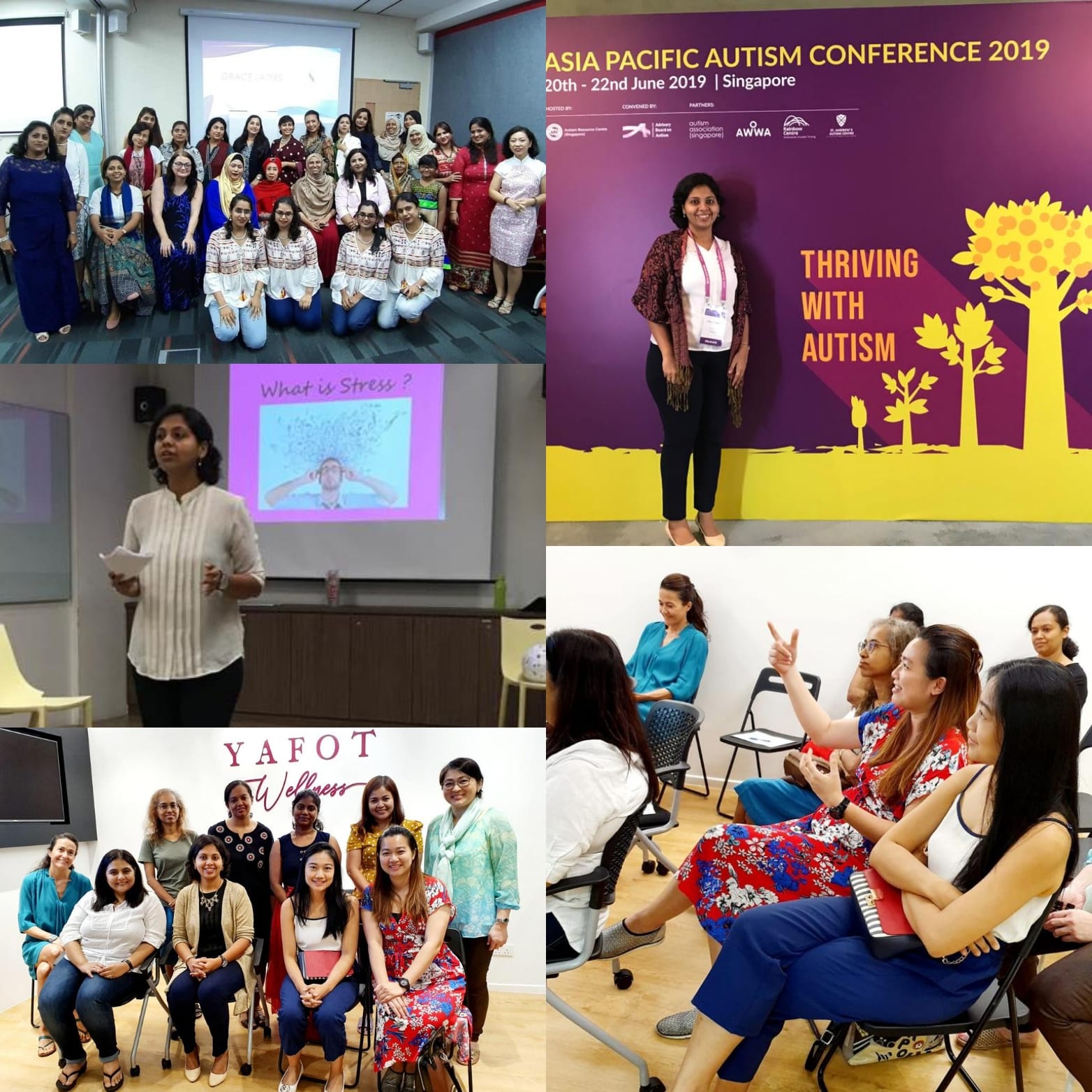
4) What are the benefits of HOMEOPATHIC TREATMENT?
Restoring the Quality of life is what I believe is an important goal of Homeopathic treatment, especially in chronic illnesses. Homoeopathic remedies act by boosting the body’s natural healing mechanisms which achieve long-term or permanent betterment. Someone who is looking for a treatment modality that is natural and safe at the same time which addresses the core of the problem going beyond just treating the symptoms, Homeopathy is the way forward.
At Yafot Wellness, we do not endorse or oppose any other treatment/healing modality. In fact, as a Homeopath, I believe working in synergy with different modalities to improve wellbeing. TEAM APPROACH is the need of time to achieve optimum all-round health. We respect an individual’s right to make the final choice.
5) Can HOMEOPATHIC TREATMENT be complemented with CONVENTIONAL TREATMENT?
Yes. Very well, safely. That is what it should be noted by the viewers. The mode of action of conventional drugs and homoeopathic remedies is completely different. So, there is no interference or adverse effect when the two are consumed together. In fact, the clients report seeing further improvement with the introduction of Homeopathy in their given treatment plan. As a homoeopath, I refrain from interfering with any other treatment regimen the patient might be on.
6) Any message that you would like to give our viewers?
‘SELFCARE IS A PRIORITY AND NECESSITY, NOT A LUXURY’ Let me explain this with a simple example, what happens when our handphone is on 20% battery mode? We panic, or rush to charge, or many of us take utmost care by charging it at frequent intervals so as to avoid any inconvenience. That means the adequately charged phone has become a necessity, without which we cannot function optimally. Unlike the phone, we stretch our mind and body until drained completely or even further, beyond 0% charge expecting it to function optimally at all times. As humans we burn out ourselves intellectually, emotionally or physically on a daily basis; at work, personally, at home or socially in our fast and demanding lifestyle. Often pushing us to a low battery mode inviting illnesses. Thus, to rest our mind and body at adequate intervals should be our priority, to help us recoup and destress. This is what is the idea of ‘SELF CARE’.
7) How do you practise self-care? Any suggestion for our viewers!
THERE IS NO ONE RIGHT WAY TO SELF-CARE, being unique individuals with unique likes and dislikes, your definition to self-care can be completely different to mine. It should be something that makes you feel happy from within, some activity that gives you an opportunity to be yourself.
For myself, I love taking care of my plants at home and feel lucky to be able to help out on a neighbourhood farm. Exploration and experiencing new places are what I love, so we started Backpacking a few years back and continue to do so.
Dr Charuta is an M.D in Homoeopathy (Mumbai, India), a certified Counselor (Mumbai), Autism expert and a Speaker. Having 6 years of practice, experience, she specializes in Psychosomatic i.e. stress-related and emotional and psychological disorders.
Address:
360 Orchard Road, #03-16/17, International Building, Singapore 238869
Facebook: https://www.facebook.com/yafotwellness/
Contact no- 6951 1220
Global Goodwill Ambassadors (GGA) recognize good people across the world performing humanitarian work while promoting initiatives to serve the people who need them most. GGA community believe in taking action with urgency in order to raise public awareness about some of the most pressing issues facing today’s society. Richard DiPilla, who is the founder of GGA community, started this community with a belief that the value of human kindness is immeasurable and he feels proud that GGA community has become a beacon of light for so many good-hearted people from around the world. With this initiative, his goal is to promote great opportunities for those in need.
Keeping with the high spirits of GGA theme, GGA team of Singapore visited Tuas South Dorm to motivate migrant workers in Singapore. As an online media partner, Womenlines takes pleasure to share about the experience in the words of GGA and chairperson GGA Singapore and Life Coach MS Shuchi-
Positive thinking is the process of creating thoughts that create and transform energy into reality.
A positive mind waits for happiness, health and a happy ending in any situation.
Global Goodwill Ambassadors team visited Tuas South Dorm at Street 12 and conducted a Motivational talk, which included
~ Speed Mentoring
~ Facilitating Session
~Laughter Exercises
~Gratitude Time
~Mindset Checks
Migrant workers shared that they have learnt how to think positively and be happy.
I am grateful to Saheb Youssef Bakhsh, Avi Sakhalkar for their gracious presence at the Motivational session. Thankful to Puja Talesara Bhandari, Charu Mehrotra and Kasthuri Gunasegaran for being there in spirits.
We will continue to help people, communities and organisations to thrive using positive thinking and promote human welfare!!!!!!
MS. SUCHI
Chair~ Asia Global Goodwill Ambassadors
Womenlines welcomes Jahnavi Katti as a guest contributor at Womenlines panel. Jahnavi is an Abundance Mindset Coach, Lifestyle Entrepreneur, #Story2Satori youtube chatshow host, and CEO of Keykonnecct. Jahnavi creates compelling visual stories, partners with brands to reach their target audience and provides consultancy on Storytelling & Branding. She has shared a powerful article on how to never ever NO to your dreams–
Recently a Facebook post popped up showing five years had passed since I attended the WeConnect Annual Conference that brings budding Female Entrepreneurs together with female Start-Up founders and big Global MNCs through workshops and panel discussions in Philadelphia. It took me down memory lane and I realised how excited I was to meet a lot of Women Entrepreneurs, network and explore business opportunities. My journey as an Entrepreneur started late in life after I stumbled upon the Management Program for Women Entrepreneurs in the prestigious IIM Bangalore and became a Certified Entrepreneur Coach. It was the first of its kind program happening for women fifteen years ago and I just grabbed the opportunity and started a Soft Skills Training & Leadership Coaching Company. It has been the most fulfilling period of my life as I not only did what I loved and was passionate about but had a great exposure to the learning and development and IT industry. I got a different perspective of myself as a human being. I named my company KEYKONNECCT with the intention to unlock the potential of human beings and in the process could unlock my own potential and feel fulfilled.
Every woman has a dream and I had it too, to become an Entrepreneur. I had the opportunity to meet women leaders from different countries and they influenced me as role models, mentors and coaches. This transformed me to a large extent to take risks, make crucial decisions and fulfil my entrepreneurial desires. Now that I have had my fair share of successes and failures as an Entrepreneur after a long stint of twenty years in the Training & Coaching industry, having helped thousands in honing their soft, leadership and entrepreneurial skills I have chosen to move on from my traditional style of working to take my business online digitizing my training and coaching products. My Vision is to see Women being their own source of Strength, Spirit and Wisdom. Twenty years ago I had no such opportunities or options but now times are changing and the business styles are changing with many preferring online, work from home options. This reduces the stress that is carried especially by Women when they need to tend to a family beyond their working hours. To affect real change in the perspectives of Women towards Entrepreneurship, entrepreneurship needs to be nurtured in girls when they are young. We must teach them financial freedom and other skills they will need to succeed. They must also be trained to see themselves as empowered entrepreneurs and leaders through hands-on experience and interactions with female role models. In this regard, many successful women can mentor women entrepreneurs and nudge them towards achieving their goals. Many times it is just a clearer perspective that a Woman Entrepreneur is seeking and this a Coach or a Mentor can provide as a support system to encourage her on the path to success. I have created a space on YouTube #Story2Satori where Inspirational Stories of Women who have moved on or are moving on from Self Limiting Beliefs & Mindset to Insights, Wisdom, Purpose & Fulfilment is shared to enable Aspiring & Existing Entrepreneurs to thrive.
The gap in financial education in our schools and colleges puts all students, but particularly girls, at a disadvantage, and makes entrepreneurship programs aimed at young girls even more vital. Girls need to learn both the hard entrepreneurial skills and those soft skills when they are young so that they can practice them through adolescence and into adulthood. My Dream and Mission is to help 100000 Women become LifeStyle Entrepreneurs and become financially free and my endeavour is developing these set of values in young girls by teaching them early on that “WHEN IT COMES TO THEIR DREAMS AND VISION THEY SHOULD NEVER TAKE NO FOR AN ANSWER”
 Jahnavi Katti CPC
Lifestyle Entrepreneur
#Story2Satori Host
Mindfulness & Abundance Mindset Coach
CEO KeyKonnecct
Two Decades of Corporate Mindful Leadership Training and Coaching Experience
https://www.linkedin.com/in/keykonnecct/
https://www.facebook.com/LifeStyleEntrepreneurJahnaviKatti/
https://www.youtube.com/c/JaahnaviKatti