I’ve spent a lot of time working into search data for clients at my company, Planting Brand Infotech, and lately almost every single one of them has been asking me the same question:
“Devesh, how to rank in ChatGPT instead of Google?”
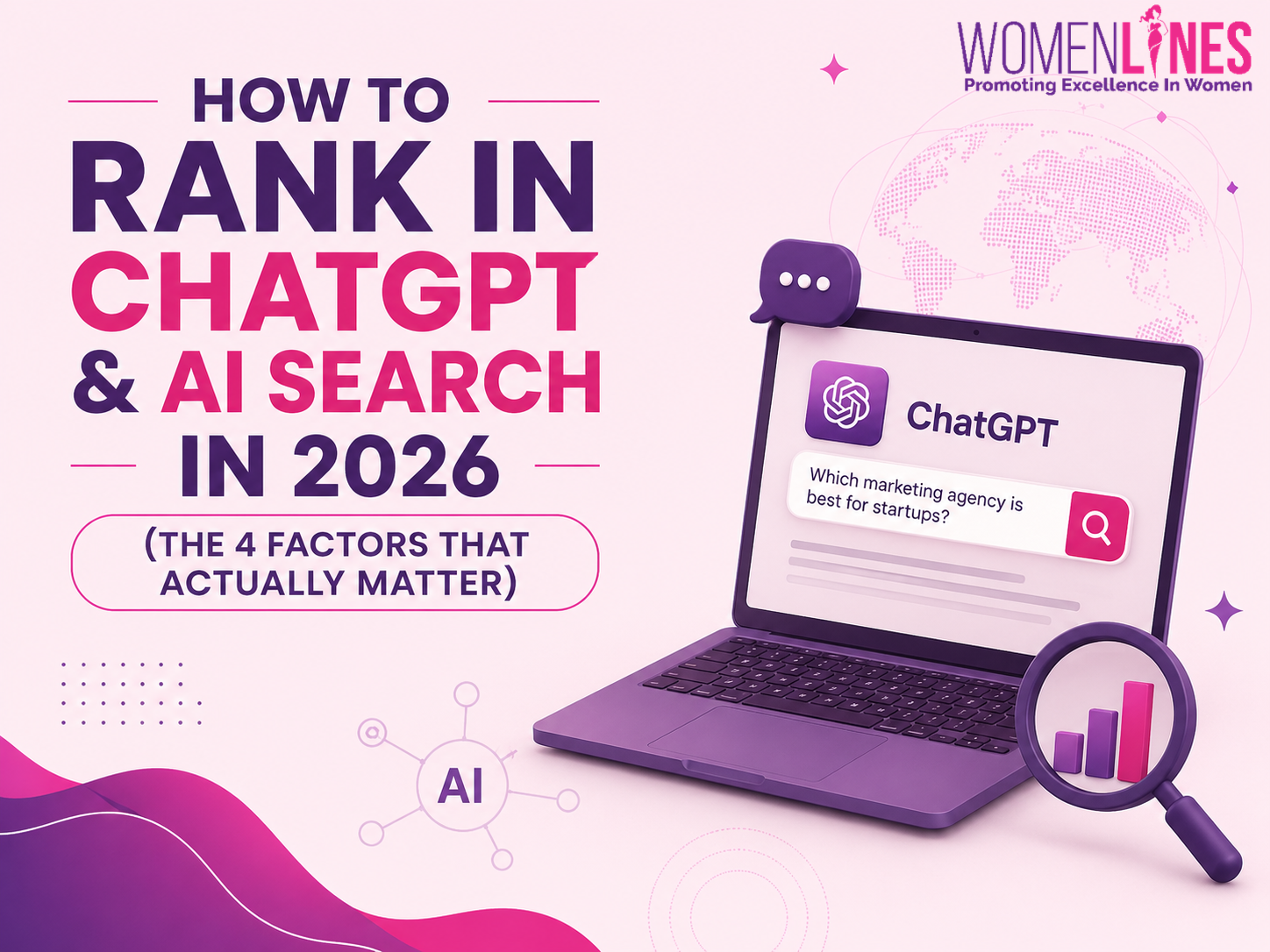
Here’s my promise to you: by the end of this post, you’ll know the exact four things that decide whether ChatGPT recommends your brand or completely skips you.
And this isn’t really about keywords anymore. It’s about your brand’s footprint across the whole internet. Let me show you why.
Why This Actually Matters Right Now
ChatGPT has over 1.4 billion monthly users. Read that number again. That’s not a niche tool anymore — that’s a massive chunk of your future customers, and a good number of them are asking ChatGPT questions that used to go straight to Google.
When I first noticed this shift with one of my clients, their organic traffic from Google was flat. But people kept telling them, “Oh, I found you through ChatGPT.” That’s when it hit me — ranking in AI answers is a whole different game, and most businesses aren’t even playing it yet.
That’s actually good news for you, because it means less competition. For now.
1. Brand Mentions & PR Matter More Than a Backlink
Here’s something that surprised me at first: ChatGPT doesn’t only care about links pointing to your website. It cares about how often your brand gets talked about on other authoritative sites — even if there’s no link at all.
Why does this happen? Because these AI models are trained on huge chunks of the internet, and they build a kind of “reputation map” during training. If your brand keeps showing up in trustworthy places — news sites, industry blogs, forums — the model starts treating your name as something worth recommending.
In my own experience, when I helped a small SaaS client get featured in three mid-sized industry newsletters (no backlink, just a mention), their brand started showing up in ChatGPT answers for related queries within a couple of months. I can’t promise that timeline for everyone — results vary a lot depending on your industry and how competitive it is.
What to do next: Pitch your story to niche publications and podcasts in your industry, even the smaller ones. Every honest mention adds to your footprint.
2. Relevancy & Structure: Write the Way People Actually Ask Questions
AI tools love content that’s easy to scan and easy to lift an answer from. Think clear headings, short bullet points, and answers that directly match how a real person would type a question into ChatGPT.
So instead of writing a heading like “Our Services,” write something closer to “How Much Does SEO Cost for a Small Business?” That’s literally closer to what someone types into ChatGPT. Makes sense, right?
I personally rewrote a client’s FAQ page this way last year — plain conversational questions as headings, short direct answers right under them. Their page started getting pulled into AI answers for those exact questions within weeks. Was it magic? No. It was just matching the format AI prefers.
What to do next: Go through your top pages and turn at least five headings into real questions your customers actually ask.
3. Reviews & Authority: The Trust Signals AI Can’t Ignore
ChatGPT leans heavily toward companies with a solid pile of positive reviews and decent domain authority. It’s a bit like how you’d trust a restaurant with 500 good reviews over one with three. Simple human logic — and AI has picked up on it too.
According to Moz’s own documentation on domain authority, sites with consistent authority signals over time tend to perform better across search systems in general, and that pattern seems to carry over into AI recommendations as well.
Now here’s the honest part: building genuine reviews takes time, and there’s no shortcut that won’t backfire on you. I’ve seen businesses try to buy reviews, and it almost always gets caught eventually — either by the platform or by customers.
What to do next: Set up a simple system to ask happy customers for a review right after a good experience.
4. Original Data Makes You Citable
This one’s my personal favourite, because it’s the most underused. If you publish your own survey, your own case study, your own unique stats, you become a source. And AI tools love citing sources.
When I ran a small survey with just 40 of my newsletter subscribers last year and published the results, I noticed other blogs started referencing that data within a few months. That’s the whole game — become the place other people (and other AIs) point back to.
What to do next: Pick one thing you already track internally — response times, conversion rates, whatever — and turn it into a short public report.
Key Takeaways
- Brand mentions across trusted sites matter, even without backlinks
- Structure your content around real questions, not vague headings
- Reviews and domain authority build the trust AI models rely on
- Publishing original data makes you a source AI tools want to cite
- This is a shift from pure keyword SEO to overall brand footprint
My Take
Traditional SEO isn’t dead — not even close. But if you’re only optimizing for keywords and ignoring your brand’s reputation across the wider internet, you’re leaving a whole new channel of customers on the table.
I’d genuinely start with just one of these four factors this month, rather than trying to do all of them at once.
So tell me — which one of these four are you already doing, and which one feels hardest for your business right now? Let me know in the comments. I read every one.
Author
Devesh T
Marketing Head @PlantingBrand
Also read: Your Google Search Results Are Your First Digital Impression