
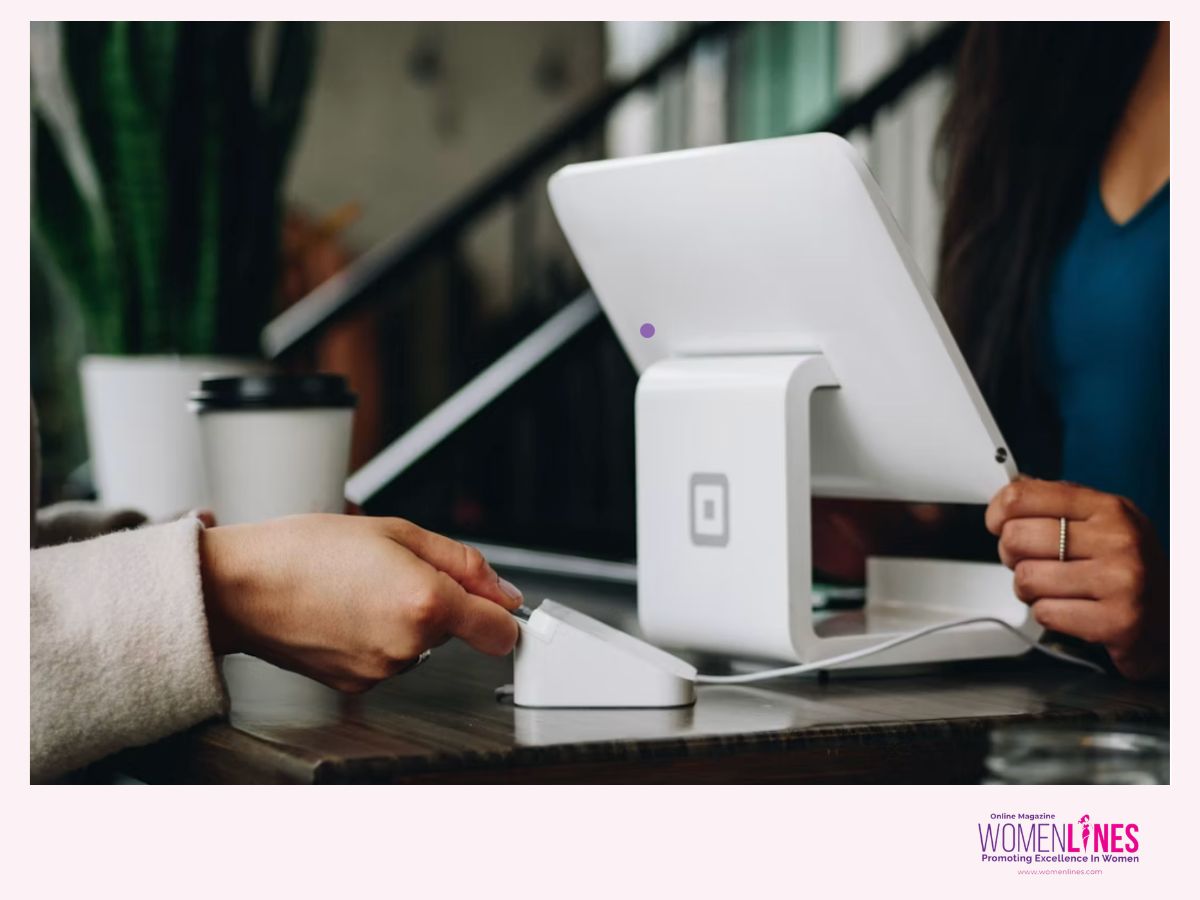
As your small business or freelance practice grows, the simple payment system and ways you once used to get paid can start to feel clunky and inefficient.That single invoicing tool or relying on bank transfers, which worked perfectly for a handful of clients, can quickly become a bottleneck. To really grow, your payment system needs to be more than just a way to get money; it should be a strategic tool that helps you expand, makes things easier for your customers, and protects your income.
Growth Demands Better Payments
When you first started, getting paid was probably pretty simple. Maybe you sent PDF invoices and waited for a bank transfer, or used a basic online payment link. This approach works fine when you don’t have many transactions. But as you get more clients and your income sources diversify, these manual steps become time-consuming and prone to mistakes. Taking time to organise your small business can also help you create more efficient systems as your workload grows. A well-organised business is better positioned to manage increasing payment activity without letting administrative tasks take over.
Chasing late payments, manually checking accounts, and dealing with international transfer fees all pull you away from your main business activities. A payment system that can grow with you automates these tasks. It also gives your clients a more professional experience and offers you a clearer, real-time look at your cash flow. It’s not just about getting paid; it’s about building an efficient financial process that can handle more complexity without demanding more of your time.
Beyond Basic Card Processing
Moving beyond simple payment methods means looking past a basic card reader or just a ‘Pay Now’ button. A modern payment setup should give your clients several ways to pay, which can make checkout much smoother. This includes adding a payment gateway to your website that can securely handle credit and debit card transactions.
Think about offering different options to suit various client preferences. For example:
- Direct debit for regular UK-based clients.
- Accepting major credit and debit cards through a secure online portal.
- Integrating digital wallets like Apple Pay and Google Pay for quick, mobile-friendly payments.
The main goal is to make paying as easy as possible. A smooth and flexible checkout experience not only helps you get paid faster but also shows off your brand’s professionalism. Understanding how to accept payments online is a key first step in building a system that can grow with you.
Automating Recurring Revenue
For many service-based businesses, whether you’re a graphic designer on retainer or a consultant with monthly packages, recurring revenue is essential for stable growth. Manually invoicing for the same amount every month is inefficient and can lead to late payments. This is where automated billing becomes incredibly useful.
A sophisticated payment system lets you set up subscription plans or automated recurring invoices. Your client enters their payment details once, and the system takes care of the rest, billing them automatically on the agreed schedule. This gives your business predictable cash flow and offers convenience for your clients. The benefits of a subscription business model, thanks to automation, include better client retention and a big reduction in admin tasks, freeing you up to focus on delivering value.
Managing Chargebacks and Risk
As you process more transactions, you’ll inevitably run into chargebacks. A chargeback happens when a customer disputes a charge with their card issuer, which then reverses the transaction. While sometimes legitimate, they can also come from misunderstandings, dissatisfaction, or fraud. Handling them well is vital for protecting your profits.
A good payment provider offers tools and support to help you prevent and dispute chargebacks. This includes clear transaction descriptions on bank statements and strong fraud detection tools. Some industries naturally face more disputes and are called ‘high-risk’ by payment processors. If your business falls into this category, standard providers might be hesitant to work with you. In these cases, a specialised merchant provider for high-risk businesses is available here and can offer the tailored underwriting and support you need.
Future-Proofing Your Transactions
The world of digital payments is always changing. New technologies and customer habits pop up quickly, and a payment system that seems modern today could be old news tomorrow. When picking a provider, think about the future. Does the platform regularly update its features? Can it connect with other business tools you use, like accounting or CRM software? It is also worth exploring AI software for small businesses that can help automate routine tasks and improve how you manage growing operations.
Choosing a partner that thinks ahead means your business can adapt without needing to completely rebuild its payment setup. Look for providers that support various payment methods, including newer options like digital wallets, and have a clear plan for adopting future technologies. This proactive approach ensures your payment process stays a seamless part of your client experience, not a problem to overcome.
Investing in the right payment system is an investment in how much your business can grow and how professional it appears. By moving past basic methods and embracing automation, security, and flexibility, you build a financial foundation that’s ready to support your ambitions.
Commercial Partnership: This content has been published in collaboration with a Womenlines partner.
Also read: How to Start a Business With Little Money: A Guide for Women Entrepreneurs
Follow Womenlines on Social Media