Women in AI
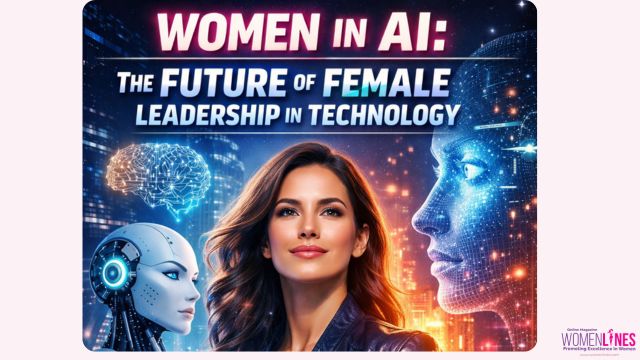
Women in AI are not just entering the future — they are quietly rewriting it.
Not long ago, machines began shifting how communities function. Computers arrived first, then evolved into a hyper-connected world where everything speaks, learns, and adapts in real time. But what’s changing now isn’t just technology — it’s who is shaping it.
Now it’s smart systems stepping forward, quietly steering shifts across jobs and conversations alike. These tools nudge medicine, reshape money flows, guide vehicles, alter classrooms, aid planet tracking – each area bending slightly under new digital weight.
Few notice, yet the shift runs deep: where tech once felt like a locked room, hands now turn new keys. Women step into spaces long quiet, bringing thoughts that bend light differently. Not louder, just clearer. Each voice, a different rhythm. Slowly, what was edge becomes center.
Back then, tech felt like it belonged mostly to men. Labs full of engineers, startup stories, even boardrooms – most faces were male. Women worked there too, yet their work rarely got attention or proper backing. Some dismissed what they brought. Who counted as an innovator? A tight circle. Fair chances hardly existed.
Still, with the growth of online spaces, fresh voices have found room to speak up. Women now step into areas once dominated by others – machine learning, data work, robots, smart systems. Not just joining, though. They shift direction, shaping choices about design and fairness alike. Leadership shows in who sets limits, not only who writes code.
Machines shaped by choices start where people begin. Decisions baked into code come straight from minds behind screens. Data fed to algorithms carries the weight of whose lives get measured. Priorities hidden in software reveal who holds influence offstage. Designers pick which puzzles deserve solutions each day. Questions built into tools show what counts as important. Tech touches neighborhoods based on who sat at the table first. Fairness grows when voices differ around blueprints. Balance shows up only after views stop repeating themselves. Thoughtful results arrive once inclusion stops being optional.
Few names stand out like Fei-Fei Li’s when it comes to shaping modern artificial intelligence. A computer scientist by training, she pushed forward how computers understand images through ambitious recognition projects. Because of these efforts, machines now process visuals in ways once thought impossible. Still, her impact stretches past code and algorithms. Human needs stay at the core of her vision for AI’s future. When discussing tech development, she brings up ethics almost every time – how choices made in labs ripple outward. Young minds, particularly girls drawn to science, see in her a clear example of what dedication looks like. Curiosity drives her work. Responsibility shapes its direction. Many who follow her path do so not just with skill – but care.
Take Joy Buolamwini, for instance. She’s a researcher diving into AI bias while also pushing change beyond academic walls. At the MIT Media Lab, her tests revealed flaws – facial recognition often misreading faces of women, especially those with deeper skin shades. That gap caught attention fast. Around the world, debates shifted toward equity in tech design because of what she showed. Behind it all sat one clear idea: if tools ignore human variety, they fail. Systems should mirror everyone they’re meant to serve.
Mira Murati helps shape cutting-edge AI tools through quiet determination rather than loud claims. Leadership shows up differently now – less about titles, more about impact – and she fits that change well. Behind progress in tech stands a growing number of women steering real choices. It is no longer rare to see them setting direction, not just joining teams. What once seemed like sidelines has become central ground. Decisions around AI reach further because different voices weigh in. She leads by doing, not declaring. Influence grows where trust builds slowly over time.
Everywhere you look, female founders are turning AI into answers for everyday problems. Inside hospitals, smart systems now support physicians by spotting illnesses sooner, with greater precision. A number of startups run by women build programs that study X-rays and MRIs, hunting signs of issues like tumors or failing hearts. Often, these digital eyes catch what people might miss – tiny clues hidden in images. Early warnings mean treatment starts faster, changing outcomes before it’s too late.
When it rains, machines watch the sky, then tell farms what might come next. Across parts of Africa, women build digital helpers trained to study dirt, spotting weak spots before seeds go in. One by one, fields start responding – not just growing, but learning. Decisions shift slowly: less guesswork now flows through watering pipes or seed bags. Real problems shape these smart tools – hunger, drought, worn-out land – and that grounding keeps them useful. Farms once quiet with worry now hum with measured steps.
Not just sitting on the sidelines, women steer fresh thinking in education through artificial intelligence. Take India – there, female-led startups build smart teaching tools that shift with each student’s pace. One size never fits all here; software watches, learns, then reshapes lessons quietly behind the scenes. Progress isn’t forced, it flows from patterns spotted in real time. Left unattended, some learners fall back – but these tools reach them anyway, slipping support into corners schools can’t always fill.
Artificial intelligence is changing the way creativity works, yet women remain key players in this shift. Instead of replacing humans, smart software helps shape visuals, sounds, stories, and interactive media. Behind many new tools you’ll find female founders, coders, and visionaries making space for artists to team up with machines. These efforts open fresh paths for how imagination can take form.
Even with progress, hurdles linger. Not every lab sees equal numbers – women often missing from key spots in AI work. At times, far fewer women hold top machine learning jobs compared to men. Funding paths? They twist less favorably for female founders chasing AI ventures. Deep roots feed these gaps – the tech world’s framework isn’t built for balance.
Still, things keep moving forward. Across the globe, colleges and labs open doors wider for women stepping into computing and data fields. Groups focused on lifting up female tech talent offer guidance, skill-building, connections. With each step, assurance grows, insights pass hand to hand, routes form toward those who will lead next.
More women stepping into cross-field AI work offers a hopeful trend. Far from just code and calculations now, artificial intelligence blends with human behavior studies, moral questions, social patterns, medical needs, money systems, and planet-wide issues. From these combined spaces, female thinkers and creators are shaping new ways tech tackles tough worldwide problems. Fresh angles emerge where care meets computation.
Women showing up in AI shifts how tech firms think about right and wrong. Though artificial intelligence holds great power, building it needs care. Questions around who owns data, unfair patterns in code, or whether decisions can be seen clearly now dominate talks among those shaping AI. Standing out in these conversations, female leaders push hard for rules that let innovation help everyone – especially those often left behind.
Across Europe, projects push for fairer gender mix in artificial intelligence work. Female learners find support at schools and labs that offer funding, guidance, or team-based studies. The goal pops up clearly: tomorrow’s tech teams should reflect everyone.
Over here in North America, female entrepreneurs are building new companies using artificial intelligence – not just for profit, but to tackle real issues like emotional well-being, shifting weather patterns, and how cities grow. Leadership with clear vision shows tech doesn’t have to be cold; it can meet urgent human needs head-on.
Seeing more women step into artificial intelligence matters because of how they see things differently. Not isolated, tech works inside webs of human connection and culture. With care, many women shape tools while thinking about real life impacts on individuals. Their view tends to spark answers that work well – yet also do right by society.
Starting now, leading in artificial intelligence isn’t just about knowing the tech. What matters grows beyond code – imagination plays a role, so does sensing right from wrong. Working together shapes better outcomes, while looking ahead helps avoid future harm. When women step into these spaces, they show how logic pairs with care. Planning with purpose becomes natural when both mind and heart lead.
When machines learn faster, entire economies shift. Governments adapt slowly, yet change happens anyway. People find new ways to use tools every day. Without women helping to design what comes next, gaps remain wide. Fairness matters, true, but so does practical sense. Systems work better when they reflect everyone’s lives, not just some. Left out voices lead to blind spots nobody needs.
From school rooms to tiny tech shops, fresh faces in artificial intelligence are rising up. Young women, watching those who walked first, begin stepping forward too. When more eyes land on a path, new steps appear where walls stood earlier. Seeing someone like you succeed shifts what feels reachable tomorrow.
Women shaping artificial intelligence are writing history without knowing the full ending yet. Each fresh mind – researcher, founder, builder – brings a different thread to the growing tale. What they do shows something clear: those who make tools also bring along what matters to them – their questions, their drive, how they imagine tomorrow.
Something new is shaping how work and life change – machines that learn. When shifts happen, people matter most. Women stepping up can help point these tools in directions that care about real lives. Not just speed or power – fairness, listening, belonging. Choices made now ripple further than anyone expects. Guided attention might steer invention away from harm, toward what holds us together. Seeing clearly matters more than moving fast. Who leads helps decide where things go. Care shows up in design when voices stay present. Future paths grow better with different minds involved. Thoughtful presence shapes tech deeper than code ever could.
Beyond code, something else shapes where AI goes next.
Who builds them will decide their form.
Women will help lead the way forward, shaping tech with care and openness. Standing alongside others who build what comes next, they’ll bring direction rooted in fairness. Their role won’t be small or silent – instead, it’ll carry weight in decisions that matter. Guiding innovation, they’ll push for solutions that include more voices. The path ahead takes form through their insight and presence.
Arya Pathekar
Intern, Womenlines
Also read: Self Care for Women: Why Choosing Yourself Is the Most Powerful Form of Women Empowerment
Follow Womenlines on Social Media