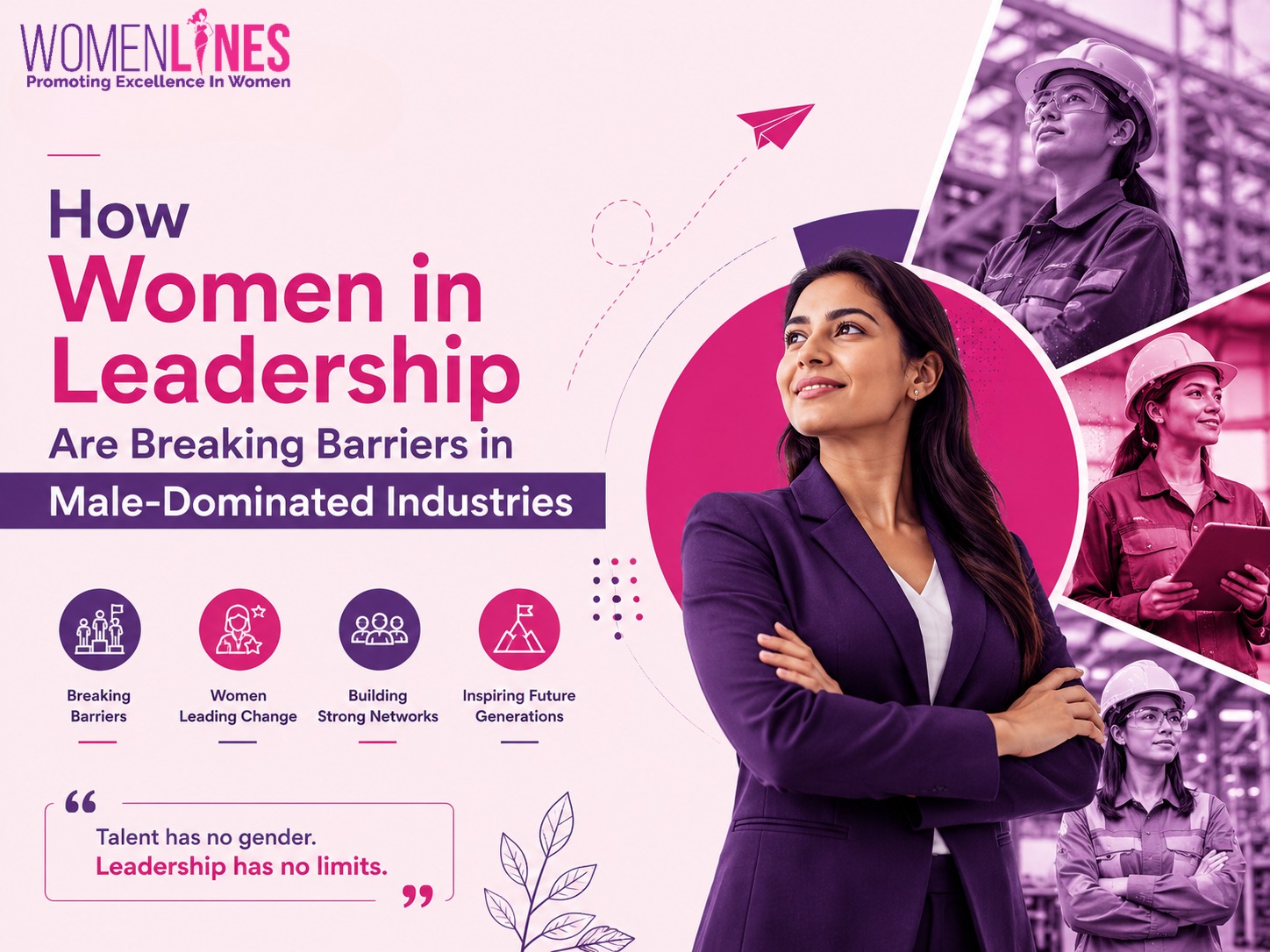
Women in Leadership is no longer just a conversation, it is a powerful shift transforming industries that were once considered heavily male-dominated. From engineering and construction to skilled trades and technology, more women are stepping into leadership roles, challenging outdated stereotypes, and proving that talent, innovation, and resilience have no gender. As these industries become more inclusive and accepting, women are not only creating successful careers for themselves but also building supportive networks that inspire future generations to dream bigger and lead fearlessly.
When businesses hire more women to get an improved gender balance, it usually achieves better results. Companies in the top quartile for gender diversity on executive teams have been found to be up to 25% more likely to have better profitability than those in the bottom quartile. In this guide, we will explain why this is the case and how male-dominated industries are benefitting from hiring more women. Continue reading to find out more.
Benefits of Hiring Women in Male-Dominated Industries
Building Support Networks
As more women enter male-dominated sectors, stronger professional support networks are emerging that include everyone. These communities help women share experiences, access career advice and build confidence in environments where they may previously have felt isolated. There tends to be a lot more communication when there’s an improved balance of male and female within a workplace.
Support networks also encourage businesses to improve workplace policies and create more inclusive cultures. Employee resource groups and industry organisations both contribute to helping women feel supported and valued throughout their careers.
Diversity-Driven Performance
A diverse workforce often leads to stronger business performance, allowing businesses to thrive in competitive markets. When there’s a diverse group of people within a workplace, it encourages more creative thinking, problem-solving and innovation. This is great for businesses who want to approach issues from multiple angles, so they can find the perfect solution.
Women bring valuable leadership styles that can get their team to communicate in more ways, helping them to be more innovative. Businesses that prioritise diversity are often more adaptable and better equipped to meet the needs of a broad customer base, helping them to get more relevant leads.
Cultural Changes
Changing the culture of a workplace is a great way to kickstart a new era and get everyone working together for a common goal. Increasing the presence of women can be effective for reshaping the workplace culture, helping the business become more focused on flexibility, wellbeing and inclusion compared to businesses that primarily hire males.
These improvements will benefit everyone that works within a company, not just the women. Environments where people feel respected and supported will improve employee satisfaction, as everyone will be happy working together in a culturally accepted place.
Closing the Funding Gap
Women have historically faced challenges accessing funding and investment opportunities. However, there is growing awareness of the importance of supporting female-led businesses and projects rather than those who selectively hire men.
More investors are now focused on helping women secure the financial backing they need to grow their careers and businesses, which allows industries to benefit from a wider range of talent. This helps businesses to prioritise innovation, as they aren’t limited with who can receive funding.
Leveraging Mentorship
Experienced women professionals can provide guidance, encouragement and practical advice that help others to progress in their careers. Workforces that have a larger percentage of women tend to have improved mentorship programmes that are handled with care, ensuring that everyone is happy with the process.
These can help businesses develop future leaders by encouraging knowledge-sharing and professional growth. As more women move into senior positions, they can inspire and support the next generation entering whatever industry they’re involved with.

Industries Most Affected
Construction
While still a minority, women now make up roughly 15% of the workforce which is a big increase from years gone. They bring high-quality skills in project management, collaboration and strategic planning to help several aspects of industry improve. Scheduling parts of the construction hire process has seen vast improvements due to hiring women, with plant hire becoming a booming part of the sector.
Engineering
Women are leading advancements in technical fields such as smart systems and humanitarian engineering, which allows them to address complex challenges. Despite industry biases, women are pushing boundaries in male-dominated roles within engineering, which has allowed them to transition from traditional careers into advanced engineering roles.
Skilled Trades
Women are still underrepresented in skilled trades, but there has been an increase in the amount of women involved within painting and decorating industries. There’s now more businesses within the skilled trades area that are owned by women, who complete the schedules and build their own business from the ground up. They’ve got a track record of being safer than male-owned skilled traders, taking on more jobs with extra caution.
Final Thoughts
With women finding more success in fields that they’ve not usually worked in, it’s allowed these types of businesses to find new ways to succeed. It’s introduced new methods of thinking and improved communication avenues that have allowed everyone involved to share ideas with one another. Without hiring women, businesses won’t be able to maximise their potential.
Author
Darcy Fowler
Also read: How Female Business Owners Can Reclaim Their Freedom?
Follow Womenlines on Social Media