



If you’re looking to start your own business, partnering with a franchisor can give you a powerful boost. Here are some reasons to consider a franchise.
A franchise agreement occurs when an aspiring business owner partners with a larger existing business to open their own location. Franchising is a popular venture for those new to the world of business—you’ll have a customer base built-in and you’ll also enjoy starting on a strong foundation.
If you’ve never operated a franchise before, you may not have considered the unique benefits that come with that partnership. Let’s look at some of those advantages.
Lower Risk
Starting a brand-new business from the ground up is a trial-and-error process. You must create your own business plan and marketing strategies, and you have no guarantee of success. With a franchise, though, you’re buying into an established and successful business with strategies that are proven to work.
Plenty of Options
Which business niches are most attractive to you? Whether it’s fast food or affordable retail, make sure you look into the most popular franchised industries. Choose a business you already love, and you’ll be passionate about taking the reins in your own location.
Built-In Brand Loyalty
One of the trickiest parts of starting a business from scratch is building a customer base. New business owners spend a great deal of money and effort establishing themselves and advertising to potential customers. With a franchise agreement, you’re buying into a name that’s already got plenty of devoted followers.
A Helping Hand
When you become a franchisee, you benefit from the franchisor’s years of business experience and savvy. They’ll walk you through their business model and train you on how to operate the way they do. Think of it like having a mentor: you’ve always got a resource to remind you of how successful businesses work.
Growth Opportunities
If your new franchise location finds immediate success and you set your sights on expansion, your franchisor can offer crucial guidance. They’ll love how much you’re expanding their business and you can take advantage of their support when opening new locations.
Owning and operating a franchise is hard work, just like with any other small business. However, franchising holds unique advantages over starting from scratch. If you’re new to the world of business ownership, a franchise can be a great place to start.
Remote work is here to stay. Take notes if you are an extrovert looking for a little support to survive the current work-from-home conditions.
Working remotely has its benefits, but it can be hard for extroverts. Surviving your new work-from-home environment can take some getting used to. It is vital to maintain social interaction while working from home. Set aside time every day to take breaks and get away from your desk for better mental health and productivity.
Balance Work and Home Life
Remote work can often be difficult for extroverts. Since they’re more social than introverts, it may be difficult for some extroverts to turn off their phones or laptops in the evening. But they should try their best to set boundaries between work and leisure time to maintain good mental health.
If you work from home, try keeping a regular schedule, even if no one is holding you accountable. If you need others around, consider scheduling daily coffee chats with other remote workers to take a break and catch up.
Pro tip
Group chats are a great way to enjoy small talk, discuss your weekend plans, or even ask for assistance. Keeping your off-topic conversation under control can be a struggle, but chats are quick and help you get back to work quickly without getting distracted.
The Benefit of Taking Breaks
When you’re surviving remote work as an extrovert, it’s easy to get trapped in a bubble of your own work and tasks. You’re not surrounded by coworkers and colleagues who can interact with you throughout the day. If you’re an extrovert, this may be a problem for your mental health. But don’t worry. There are still ways that you can combat loneliness while working from home! Try these methods to keep yourself on track.
Schedule some time to talk to your friends, and make sure you make time for exercise, even if it’s just a simple walk around the block each day. Physical movement can provide energy when you are feeling low. Short conversation breaks, even over the phone, can help to provide just enough socialization to help propel you through your afternoon tasks.
If you feel comfortable, ask your company for a fun Friday game or quick virtual challenge that teams can participate in together. These small brain breaks can help keep you motivated and focused on your tasks while allowing for much-needed interaction.
Collaborate With Coworkers
Be mindful of how much time you spend working alone. We could all use a sounding board for ideas or issues that may arise during your workday. Consider a standing meeting with coworkers to bounce around ideas or help brainstorm a solution.
If working fully remote is taking a toll on your mental health, consider hybrid work options that allow you to work in the office a few days a week. If your company’s space is still closed or in-person work isn’t possible, consider joining a nearby coworking facility. These spaces usually have desks for rent and other remote extroverts looking to stay balanced.
We have all had to make adaptations due to the pandemic. Remote work is likely here to stay, so put in an effort to find a way to make it work for you.
Buy Now: White Vases for Home Decor
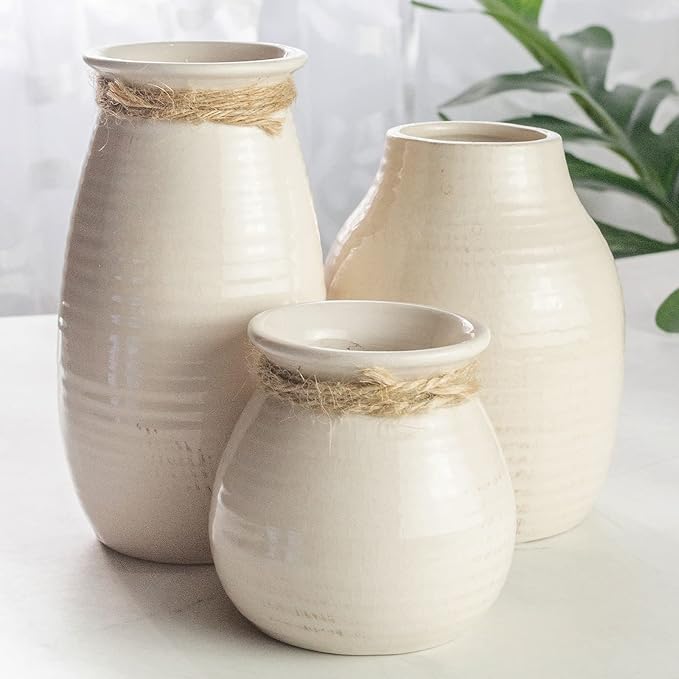
Description of the product –
- You’re in luck if you’re seeking for decorative vases! With its sleek, finely designed shape and rustic paint finish, this farmhouse vase makes an amazing rustic home decor piece. These off-white vases for decor combine a quiet rustic mood with a modern sense. A twine is included with each ceramic vase. Use them in your bedroom, kitchen, office, or bathroom, depending on your own preferences.
- Do you have any fake or live greenery that you’d want to show off? Decorate with our vases and your favourite plants alongside your rustic decor. With the variety of plants you wish to display, this rustic vase makes a lovely rustic decor for the living area. Each of the farmhouse flower vases would be a great addition to your modern farmhouse decor.
- Use our off white ceramic vase as a living room coffee table decoration or as a fireplace decoration. The decorative vase’s ageless beauty and minimalist design make it suitable for both modern and rustic settings. These little vases can do the trick if you’re looking for rural home decor that expresses your style. Use the vases to hold flowers or as a stylish addition to your mantel design.
- Decorate your mantel or fireplace with our rustic vase. The rest of your mantel or fireplace decor will look excellent with our modern farmhouse decorations. Combining little and tall vases for décor living room floor creates an eye-catching focal point in interiors. Place the off-white flower vase on the counter and in cabinets. If you want to add live plants, you can do so by arranging the flowers yourself!
- Combine our lovely vases with the rest of your rustic table decor for a stunning display. With magnificent flora, you can bring life to any room. Pull out all the stops and embellish your living area with our rustic decor. Our rustic vase is ideal for asymmetrical floral arrangements. Include this off white room décor in your home for a soothing environment that welcomes all guests.
Are you looking out for physical health, leadership skills, mindset health, and image branding strengthening tools to be the best version of yourself? Subscribe to weekly free powerful updates of an online magazine Womenlines for free. Buy some interesting products for women from the Best Sellers page of Womenlines!
Buy Now: Electronic Organizer Travel Bag
Description of the product:
- The Size of the cable storage travel case: is 7.5″ x 4.3″ x 2.2″. Compact size and light weight make it easy to carry and put into your backpack, handbag, or laptop bag without taking up much space. Suitable for family use and daily organization.
- This electronic organizer travel case is made of high-quality durable waterproof oxford and a soft sponge inside to secure your gadgets in place and deliver quick access whenever you want, a perfect case protects your electronics accessories.
- The electronics storage bag has 2 layers interior compartment with enough space to take in your cords, cables, USB drive, cellphone, charger, mouse, flash drive, and other accessories.
- Comes with a comfortable hand strap for easy carrying; You may carry it in your hand when heading out. Durable and smooth zipper closure keeps your favorite device securely, and convenient for you to have quick access to the items inside the case.
- The small size and lightweight design durable cable organizer pouch is a perfect choice when going on holiday, business trip, travel, office, or school. Great gift for yourself and also a nice share with families and friends. (No include cords or electronic accessories)
Ease your travel with this amazing travel bag!
Are you looking out for physical health, leadership skills, mindset health, and image branding strengthening tools to be the best version of yourself? Subscribe to weekly free powerful updates of an online magazine Womenlines for free. Buy some interesting products for women from the Best Sellers page of Womenlines!
Womenlines takes pleasure to share an article by Melissa Maria, Principal, Global Indian International School, SMART Campus Singapore in the guest column at Womenlines! Melissa has shared her insightful thoughts on the importance of being mindful about planning your holidays-
What are your plans for the summer vacation?
This question is very timely for educators and the student community since vacations are around the corner. This luxury comes but twice a year for them, and I am sure everyone has plans on how to spend this time.
Many are eager to shut the study materials, pack their travel bags and visit family overseas. But, what if you are not travelling for family time or fun time? Have you made any plans?
Maybe you just want to put on your pyjamas, curl up under the covers for lazy afternoons or just be a couch potato. Doing nothing can be a good way of relaxing, but many times people end up scrolling the smart device for hours together in the name of leisure activity. There is nothing wrong with spending time on social media, but shouldn’t holidays be a break from the dreaded device as well?
Every day, for long hours, all of us are glued to one smart device or another – laptops, smartphones, smart boards, smart TVs etc. The constant onslaught of content that these devices throw at us at breakneck speed may have entertainment value, but it is short-lived at best. There is no learning curve, no retention of information, no lasting knowledge gained.
Instead, if you were to consider doing something meaningful with that time, it might make a difference to yourself and others Without sounding preachy, I would urge students and teachers to consider spending some hours each day gaining a new experience in life.
Visit an orphanage and spend time with children; or take a workshop in vertical farming; volunteer to read an old people’s home or participate in a charity event Such activities will not only shape your personality, and give you valuable life lessons, it comes with inexplicable satisfaction. And it is a far more effective way to detox, relax and regain your mental and spiritual strength that will be your life force for the next 6 months.
We have a mere three weeks on our hands, do we want to spend that time staring at screens? We do that all year round, anyway, maybe this time, let’s allow ourselves to destress our necks, look up from our devices and take a deep breath of fresh air.
Life may be more enriching outside the 5-inch screen.

Melissa Maria
Principal, GIIS-SMART Campus, Singapore
Educator| Award winner| Experienced traveller|
Animal lover| Passionate Dancer|Interest in Organic gardening
Are you looking out for physical health, leadership skills, mindset health and image branding strengthening tools to be the best version of yourself? Subscribe to weekly free powerful updates of an online magazine Womenlines for free. Buy some interesting products for women from the Best Sellers page of Womenlines!
Also read: Stress in kids, who to blame?
Womenlines founder Charu Mehrotra was humbled to be a guest at a radio show on Voice America, Empowering Women, Transforming Lives by Rebecca Hall Gruyter.
Visit episode link- Move Toward Your Purpose with Confidence with guests Charu Mehrotra and Vi Nedd-Jackman
In this heart felt and transformational show, Rebecca shares her insight on the subject of the day and features two special guests per show. Each guest is an empowering leader in their respective industry or modality who provides insights and tips on how to live an empowered life. This show is perfect for women who feel a call on their hearts to step out in a bigger and more powerful way in their life and would like some encouragement and inspiration to support them on their journey!
Rebecca guides each show to focus on an empowering topic. The show starts with a discussion, which provides several practical ideas and tips to apply in your everyday life. Rebecca welcomes your participation and will answer questions during each show. Empowering Women, Transforming Lives is broadcast live every Thursday at 10 AM Pacific Time on the VoiceAmerica Empowerment Channel. Replays Sundays at 1 PM Pacific Time on the VoiceAmerica Variety Channel.
Rebecca Hall Gruyter is the founder of Your Purpose Driven Practice, creator of the Women’s Empowerment Series, best-selling author, motivational speaker and owner of a successful private practice. She is committed to helping you line up your business and life with you, your core values and your passions so that you can impact the world in the unique and wonderful way in which you are gifted.
Rebecca has over fifteen years of experience working with businesses, individuals, groups, and organizations with over three years working in the coaching industry. Rebecca is a heartfelt, powerful speaker who engages her speaking audience in a fun, informative and interactive manner. From leading workshops and trainings to expert panels and inspirational speaking, she has the ability to create a safe space for those attending her programs to allow transformation to take place. By listening to what Rebecca has to say, people become empowered, bringing their gifts and talents to others in a powerful and effective way. Most of all, Rebecca specializes in helping others see their potential and inspiring them to step into their potential.
Rebecca has been featured on many success panels, talk radio programs and on Entrepreneur Initiative. She recently received the award of Client Coach of the Year for her transformational work. Rebecca wants to help you be seen, heard, and shine!
Womenlines takes pleasure to welcome Life Coach, Dr Jasbirr Grover, as a guest contributor who has shared an insightful article on how creating doodles can be beneficial to your mental health.
Creating Mindful Doodles doesn’t require any special drawing or artistic skill. It offers participants a hands-on experience of making anything with colours and doodling for self-awareness. You access resourceful parts of yourself to move towards positive change by being mindful of what you are doing.
Creating doodle art is an easy yet powerful process! The simple activity of drawing lines repeatedly to make a doodle helps individuals feel a less stressed and powerful tool to deal with emotions. Recent studies have shown that Doodling offers several benefits of improving memory and one’s ability to focus.
5 Benefits and Magic in Creating Doodles-
1. Doodling Art & Mindfulness
When we focus on the art of doodles, irrespective of everything, we can practice beautiful mindfulness practices. Doodling is often done simultaneously with other activities, such as learning in class, talking on the phone, and attending meetings. Creating doodle art allows individuals to slow down and be in the present moment. This can be achieved by bringing all the attention to the movement of the pen, pencil or colours, feeling the texture of the paper, filling with colours, the placement of the lines, curves figures and breathing. It is an act of a simple form of art, focusing on what we are doing and feeling at the moment and reminding them while making doodle art that their final product is not as crucial as their state of being while creating it.
2. Doodling is a stress outlet
Some studies have examined the positive effects of creating doodle art on mental health. Drawing doodles or zentangles can help alleviate psychological distress and anxiety by promoting relaxation. Many studies have examined the impact of creating doodle art on mental health. The simple, carefree and repetitive motions involved in creating the doodles often suppressed the mind’s fight-or-flight reaction. In fact, making any art, in general, is a proven method for reducing cortisol levels, as known as the stress hormone.
3. Doodling Boost Confidence
Every line and stroke in Doodling looks unique and has a purpose in that place, and there is nothing that looks like a mistake. One of the most significant advantages and beautiful things about doodles and zentangles is that there are no mistakes. In fact, it is recommended to create doodles using permanent markers that cannot be erased for this very reason. It actually isn’t. If a line or stroke goes different, it will look like an error. Every line can be easily incorporated somehow into your overall design. Doodling looks like a built-in safety net because there is no right or wrong way to do it. It can help help you build confidence, mainly if you focus on perfection or remain hesitant about making mistakes. Doodling can help ease this rigidity, embrace the process, and encourages them to let go and flow in their creativity.
4. Doodling improves memories
There are studies which suggest that Doodling can be an effective memory aid. It is found that memory retention could be increased by simply doodling while listening to other information orally. It was discovered that Doodling stimulates the brain just enough to keep you focused on the current task simultaneously.
What all you need for Doodle Art-
You’ll Need:
A sharpie
A fine tip marker or even an ordinary pen
A Piece of blank paper or any journal
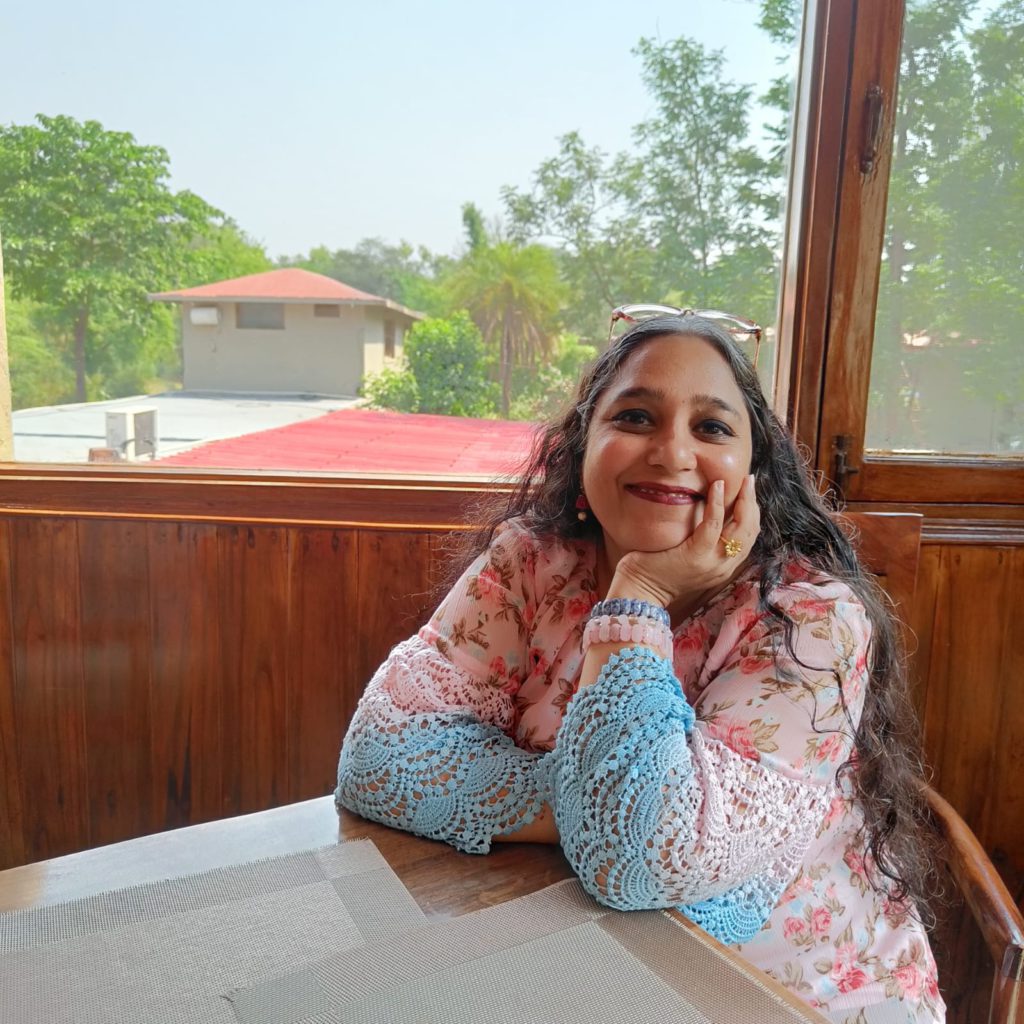
Dr Jasbirr Grover
Life Coach-Mentor- Author- Mom- NLP Practitioner
Founder Coachinggeenie-Teens 2 Twenties
Study Overseas Self Taught Doodler Mindfulness
I am a self-taught Doodle Artist promoting mindfulness have healed my loneliness and depression by spending my time with pens, colours and doodles. I have published my debut book, Know Ur Unique Self, to take people on the journey of self-discovery, and my younger son and I handcraft this whole book. I use the power of doodles, colours and scripting art in my workshops to help people connect with God’s given power within.
Yoga Influencer Vani Shukla at Womenlines from Australia brings to you yoga for a healthy heart.
Can yoga improve the health of the heart? This is a common question by people who are not following yoga and doubt its effectiveness. Yoga experts always emphasize that yoga definitely helps in off-loading stress and regularly practising yoga can be helpful in lowering blood cholesterol, blood pressure and heart rate. Yoga can also improve heart health by increasing circulation and blood flow.
Check out 3 yoga poses of yoga shared by Yoga influencer Vani Shukla.
1) Each position you can hold as long as you feel comfortable.
2) Focus on your breath during these positions and try to keep the mind blank.
3) It can help you to balance your blood pressure and improve your resting heartbeat.

Facebook- Yoga Spirit Studios
Vani has been into Yoga and Fitness for more than 18years. She is a post-graduate in Yoga therapy from India. She was among the first female fitness experts in Delhi to qualify American Council on Exercise exam in 2011. Presently she lives in Adelaide Australia for the past five years and runs International Yoga Retreats and workshops.
Are you looking out for physical health, leadership skills, mindset health, and image branding strengthening tools to be the best version of yourself? Subscribe to weekly free powerful updates of an online magazine Womenlines for free. Buy some interesting products for women from the Best Sellers page of Womenlines!
Also read: How to do Face Yoga?
Starting a small business isn’t getting any easier. The business world can be chaotic, and it’s easy to get lost without making any meaningful impressions. A study has shown the importance of a positive business reputation for success, and your professionalism contributes to that. So whether you are a new or existing business, it is important to find ways to create the right impression. Here are some ways to make your business look more professional.
- Create a website
Recent statistics show that approximately 28% of small businesses don’t have a website. However, having one is good because it gives you an online presence in today’s digital marketplace. Building a simple website shouldn’t be hard with the many free resources and platforms available. And this can set you apart from about a third of your competition. You don’t necessarily need a fancy website, but ensure it is simple and professional enough to reflect your business and communicate the right message to your customers.
2) Invest in social media
Social media has become a necessary part of daily life, with over 50% of social media users using various platforms to research businesses. It has become a crucial tool for businesses to increase reach, attract customers, conduct market research, develop brands, and increase revenues. Investing in social media doesn’t imply being everywhere but focusing on developing a presence on the most popular or those that fit your brand the best. You don’t need a massive following to have a presence. Instead, invest in making your business more visible to your target audience.
3) Hire professionals
Nothing makes your business look professional than hiring the right expertise. Some jobs are technical and may require individuals with the expertise to deliver. Even for the savviest business owners looking to cut costs, hiring professionals for some jobs is best. For example, a business accountant can give your enterprise the professional touch by sorting out invoicing problems and keeping your clients and vendors informed on financial issues. Working with the right professionals can make your business look prompt and organized, boosting your business reputation.
4) Build business credit

Building business credit can make your business look professional. You can do this by registering your business and getting an EIN, keeping your business information current, making early payments to your creditors and establishing trade lines with your suppliers. This can enable your suppliers, vendors, and some lenders to advance money in exchange for products or services. Having a good business credit history can also help you get perks like net-30 or net-60 from your suppliers. Prioritize building business credit from the start. And if you have to borrow, do so from lenders who report to business credit bureaus to enable you to build some good business credit.
Several small businesses are launched daily, yet only a few survive past the third year. Your brand and reputation are key to success, so consider the tips mentioned above to make your business look more professional and attractive.
Starting a business may be the most difficult endeavor of your life. But it can also be very rewarding and lucrative. Starting a business is not easy. It takes a lot of time, effort, and commitment to get it up and running. The most important thing you need to do is make sure that you have the right idea for your business. From here, we’re going to take a look at some of the most important things you need to focus on.
The Steps to Take to Open Your First Business
The first step to start your own business is to find a niche and determine what your company will be selling. The next step is to find the right location for your business. Most people start their businesses by going online and using Google to find what they are looking for, but this doesn’t always work. It is important that you know how to go about finding a good location for your business and how it can help you in the long run.
What You Need to Focus on For a Physical Premises
A business location is a fundamental part of any business. It is the place where people come to purchase goods and services. Therefore, it needs to be designed and constructed in a way that attracts customers. Working with specialists in your field, such as Medifit, can help with this. After all, the physical premises of a business can be the first impression that people have of it. The design and construction of the premises should reflect the company’s values and goals. It has to be right.
The Necessary Legal Documents You Need for Your Company’s Opening Day
Legal documents are the key to your company’s success. They provide a framework for your company’s day-to-day operations and also represent the fundamental contract between your company and its customers.
In order to have a successful business, you must have legal documents that allow you to run smoothly in the beginning. Legal documents include an operating agreement, bylaws, shareholders agreements and more. These legal documents should be drafted by an experienced lawyer who understands business law and can help you with any questions that you might have about these legal documents.
Marketing Your Company Properly From the Start
Getting your company noticed can be a challenge. However, there are some simple ways to help you get the word out about your new business. One of the most important things to do is to create an effective marketing strategy. By doing so, you will be able to make sure that your company is marketed in a way that will make it stand out from the rest.
A good way to start is by creating content for social media platforms like Instagram, LinkedIn, and YouTube. It doesn’t have to be extensive content but it should be something that shows your brand in a positive light and what makes you unique.