Top Business Trends
Business trends in 2026 are not just changing industries — they are redefining how women entrepreneurs build, scale, and lead. The global entrepreneurial ecosystem is evolving faster than ever. From artificial intelligence to digital communities and rapidly shifting consumer expectations, the rules of business are being rewritten in real time. Those who understand these shifts early are not just surviving — they are positioning themselves to lead the future.
For women entrepreneurs, 2026 presents a particularly exciting moment. Around the world, women-led businesses are growing in number, influence, and impact. But the most successful founders will not simply follow traditional business trends—they will recognize deeper shifts in how people work, buy, trust, and connect.
Instead of focusing only on common trends like e-commerce or digital marketing, the future will be shaped by more transformative ideas such as community-driven brands, human-centered leadership, and technology-powered solo entrepreneurship.
Below are seven powerful and unconventional trends that women entrepreneurs should understand in detail to stay ahead in 2026 and beyond.
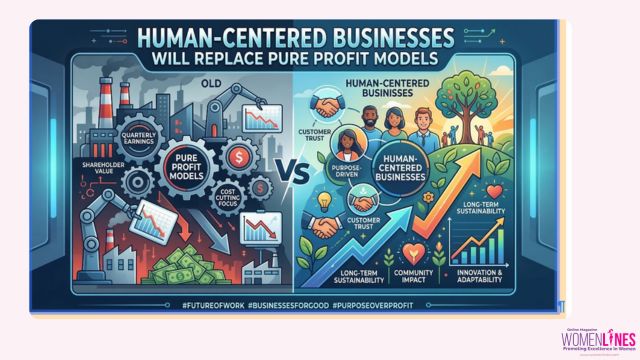
1. Human-Centered Businesses Will Replace Pure Profit Models
For decades, business success was measured almost entirely by revenue growth, market share, and expansion speed. However, the modern consumer is becoming increasingly aware of how businesses affect employees, communities, and the environment.
As a result, a new model of entrepreneurship is emerging—human-centered business.
Human-centered companies focus on creating value for people, not just profits. Women entrepreneurs are uniquely positioned to lead this transformation because many female founders naturally prioritize empathy, collaboration, and long-term impact.
Human-centered businesses often emphasize:
• employee well-being and flexible work environments
• ethical supply chains and responsible sourcing
• transparent communication with customers
• products or services that improve quality of life
Consumers today want to support brands that reflect their personal values. When businesses demonstrate authenticity and responsibility, they build deeper trust and loyalty. This trust becomes a powerful competitive advantage.
In 2026, companies that prioritize people—employees, customers, and communities—will build stronger, more resilient brands.
2. Communities Will Become More Valuable Than Customers
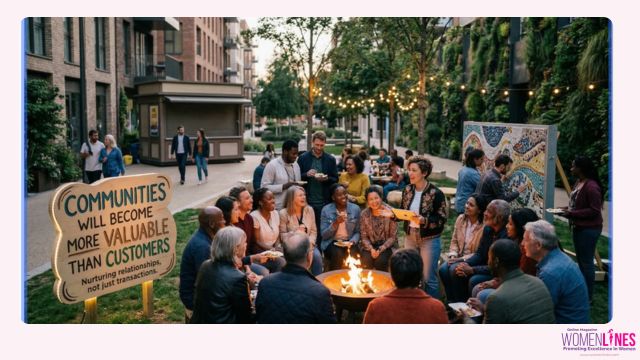
Traditional marketing treated people as “customers” who buy products and move on. But modern digital platforms are transforming customers into active communities.
A community is far more powerful than a simple customer base because members interact with each other, share experiences, and promote the brand organically.
Women entrepreneurs are increasingly building businesses around communities such as:
• membership platforms
• professional networks for women
• niche learning groups
• wellness and lifestyle communities
• entrepreneur support groups
Communities create deeper engagement and long-term loyalty. Instead of spending huge budgets on advertising, businesses with strong communities benefit from word-of-mouth growth and user-driven promotion.
For example, when a brand creates a space where customers can learn, connect, and share experiences, those customers become ambassadors for the brand.
In the coming years, community-building will become one of the most valuable skills for entrepreneurs.
3. Micro-Brands Will Compete with Large Corporations
The digital economy has dramatically reduced the barriers to starting a business. Today, entrepreneurs can launch global brands with minimal resources using online platforms, digital tools, and social media.
This shift has led to the rise of micro-brands—small but highly focused businesses that serve specific audiences extremely well.
Unlike large corporations that try to appeal to everyone, micro-brands concentrate on a narrow niche and build strong emotional connections with their customers.
Women entrepreneurs are particularly successful with micro-brands because they often focus on:
• storytelling and authenticity
• niche markets such as women’s wellness or motherhood
• personalized customer experiences
• values-driven products
Consumers today increasingly prefer brands that feel authentic, relatable, and transparent. A small business that communicates openly and connects emotionally can often outperform a large company that feels distant or corporate.
The future will likely see thousands of powerful micro-brands replacing the dominance of traditional mega-brands.
4. Artificial Intelligence Will Empower Solo Entrepreneurs
One of the most transformative developments for entrepreneurs is the rapid advancement of artificial intelligence.
AI tools now allow individuals to automate tasks that previously required entire teams. For women entrepreneurs—especially those managing businesses while balancing multiple responsibilities—this technological shift creates enormous opportunities.
AI can assist with:
• market research and trend analysis
• content creation and marketing campaigns
• customer support through chatbots
• financial forecasting and data analysis
• product design and development
A single founder using AI tools can now perform tasks that previously required specialists in marketing, design, and analytics.
This means women can build lean, efficient businesses with fewer resources and lower costs.
In 2026, AI will not simply be a tool; it will act as a strategic partner that enhances decision-making and productivity.
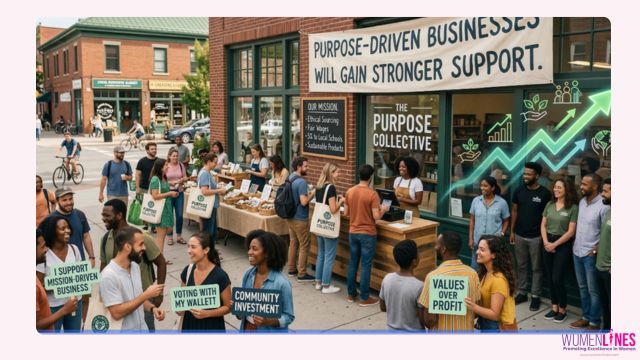
5. Purpose-Driven Businesses Will Gain Stronger Support
Modern consumers, particularly younger generations, care deeply about the social and environmental impact of the brands they support.
This shift has created a growing demand for purpose-driven businesses—companies that aim to solve meaningful problems while generating profits.
Women entrepreneurs are increasingly launching businesses focused on areas such as:
• women’s health technology
• sustainable fashion and ethical products
• mental health platforms
• financial literacy and empowerment programs
• education and skill development
Purpose-driven companies often build stronger emotional connections with customers because people want to support businesses that contribute positively to society.
Investors are also showing increased interest in startups that combine financial success with social impact.
In the coming years, businesses that align profit with purpose will likely gain greater consumer trust and investor attention.
6. Creator-Entrepreneurs Will Redefine Business Models
Another major shift in entrepreneurship is the rise of the creator economy.
In the past, entrepreneurs typically built businesses first and then tried to attract customers. Today, many founders are reversing this approach by building an audience before launching products.
Women entrepreneurs are increasingly using platforms like social media, podcasts, newsletters, and online communities to establish their expertise and personal brands.
Once an audience trusts them, they can introduce products such as:
• online courses
• digital products
• consulting services
• books or memberships
• lifestyle brands
This approach dramatically reduces the risk of launching a new business because the entrepreneur already has an engaged audience ready to support the product.
The creator-entrepreneur model is becoming one of the most powerful ways to build modern businesses.
7. Emotional Intelligence Will Become the Most Valuable Leadership Skill
Traditional business leadership often emphasized aggressive competition and authoritative management styles.
However, modern workplaces are evolving toward a different leadership model—one based on emotional intelligence, empathy, and collaboration.
Women entrepreneurs frequently excel in these areas, which positions them well for the future of leadership.
Emotionally intelligent leaders are able to:
• build strong relationships with teams
• resolve conflicts effectively
• understand customer needs more deeply
• create positive and inclusive work environments
Organizations led by emotionally intelligent leaders often experience higher employee satisfaction, better teamwork, and stronger long-term performance.
In 2026 and beyond, leadership will be defined less by authority and more by influence, trust, and emotional awareness.
The Future of Women-Led Entrepreneurship
The entrepreneurial world is entering a new era where technology, authenticity, and social impact intersect.
Women entrepreneurs are uniquely positioned to thrive in this environment because many of the emerging trends—community building, empathy-driven leadership, and purpose-based business—align closely with strengths often associated with female leadership.
The businesses that succeed in the coming years will not only focus on financial growth but also on creating meaningful value for people and society.
Women founders who embrace innovation, build authentic connections with their audiences, and leverage new technologies will shape the future of entrepreneurship.
Author-
Hemangi Kayarkar
Intern Womenlines
Also read- AI Powered Content Creation: How Women Creators Are Building Digital Careers in 2026
Follow Womenlines on Social Media