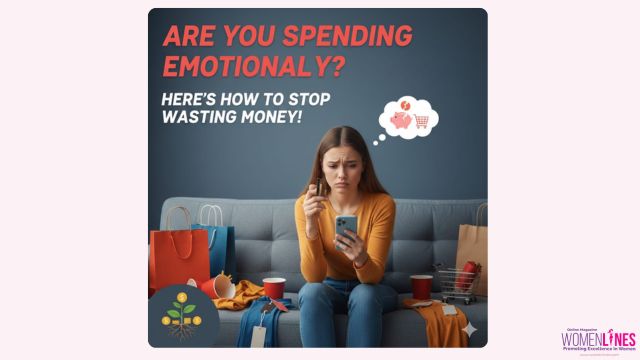
Businesswomen are not bad with money—but many are quietly losing it through emotional spending without realising.
If you’ve ever checked your bank statement and felt confused, guilty, or stressed about where your money went, you’re not alone.
One of the most searched questions today is:
“Why do I keep buying things I don’t really need?”
For businesswomen—especially entrepreneurs, professionals, and content creators—emotional spending often hides behind words like growth, self-care, or investment.
Are You Spending Emotionally Without Realising It?
For many businesswomen, emotional spending doesn’t look reckless. It looks productive.
A new productivity tool.
An online course.
A planner.
An app everyone on Instagram seems to be using.
In the moment, it feels like progress.
Weeks later, it often sits unused.
This pattern is closely linked to money mindset challenges, especially in environments where success feels tied to constant upgrading, hustle, and comparison.
The good news?
Emotional spending is a habit—and habits can be changed without guilt or extreme budgeting.
What Is Emotional Spending?
Featured Snippet Definition
Emotional spending is buying things to regulate emotions rather than meet real needs.
It commonly happens during stress, burnout, boredom, overwhelm, or as a form of reward. The emotional relief is temporary, but the financial impact lasts longer.
This behaviour is closely connected to impulse buying habits, where decisions are driven by feelings rather than logic.
Why Emotional Spending Is Common Among Businesswomen
People search: “Why do entrepreneurs overspend?”
Businesswomen face unique triggers that make emotional spending more likely:
-
Irregular income and financial uncertainty
-
High mental load from business, family, and expectations
-
Hustle culture pressure to constantly “upgrade”
-
Social comparison on Instagram and LinkedIn
Stress plays a major role here. When the nervous system is overloaded, financial decision-making becomes reactive rather than intentional.
Real-life example:
After a demanding client call, podcast recording, or campaign launch, your brain looks for relief. While scrolling, you see peers using new AI tools or business apps. Buying feels like growth—but often doesn’t produce real outcomes.
Research published in the Journal of Consumer Psychology shows emotional spenders can lose up to 30% more income annually due to impulse purchases.
How Do You Know If You’re Spending Emotionally?
People search: “Am I an emotional spender?”
You may be spending emotionally if you:
-
Buy things after stressful or exhausting days
-
Shop when bored, overwhelmed, or emotionally drained
-
Feel excited briefly, then guilty later
-
Purchase tools or courses you rarely use
-
Spend more after scrolling social media
If several of these feel familiar, emotional spending may be quietly affecting your finances and business decisions.
The Emotional Spending Cycle (Why It’s Hard to Stop)
People search: “Why does shopping make me feel better temporarily?”
Emotional spending follows a predictable cycle:
-
Stress or emotional trigger
-
Shopping creates a dopamine rush
-
Temporary relief
-
Guilt or regret
-
Repeated spending to feel better again
Digital platforms are designed for instant gratification, which is why awareness—not willpower—is the real solution.
How to Stop Emotional Spending: 8 Practical Steps That Work
People search: “How do I stop emotional spending?”
These strategies are realistic for busy businesswomen.
1. Track Emotional Triggers
Notice your mood before purchases. Patterns appear quickly.
2. Use the 48-Hour Rule
Delay non-essential purchases. Most urges fade naturally.
3. Create a “Fun Money” Budget
A small, guilt-free allowance reduces impulsive behaviour.
4. Clean Your Digital Environment
Unsubscribe from promotional emails and mute shopping-heavy accounts.
5. Replace Spending With Free Stress Relief
Walk, journal, breathe, stretch, or pause instead of shopping.
6. Ask One Question Before Buying
“Does this support my next 90-day business goal?”
7. Build Accountability
Share spending goals with trusted peers or business groups.
8. Redefine Rewards
Celebrate progress with rest, reflection, or using what you already own.
Tools That Support Healthy Money Habits
Simple tools work best for businesswomen:
-
Basic budgeting apps or spreadsheets
-
Spending logs or notes
-
Stress-regulation practices
More tools rarely fix emotional spending. Clarity does.
What Happens When Businesswomen Stop Emotional Spending?
Featured Snippet Outcome
When businesswomen stop emotional spending, they:
-
Save more money
-
Feel less financial stress
-
Make clearer decisions
-
Gain confidence with money
-
Invest intentionally instead of impulsively
Women who master this habit report better cash flow, stronger emotional control, and smarter business growth.
Final Takeaway: Emotional Spending Is a Habit You Can Change
Emotional spending doesn’t mean you lack discipline.
It means your nervous system is seeking relief.
Once businesswomen recognise emotional triggers and interrupt the cycle, money stops being a source of guilt—and becomes a tool for stability, confidence, and growth.
Action Step
Review last month’s spending. Identify emotional purchases. Apply one strategy from this article this week.
Your future self—calm, confident, and financially clear—will thank you.
Aastha Pathak
Intern Womenlines