Female Founders
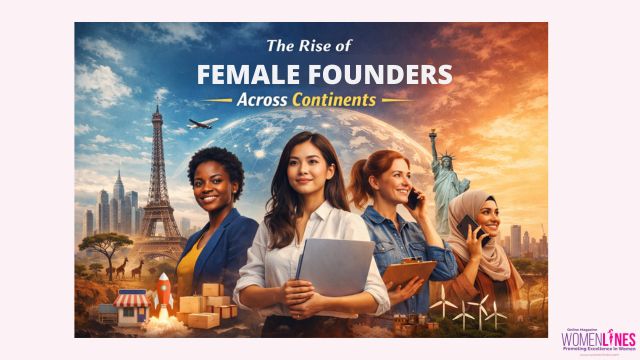
Far beyond just one region now, female founders building businesses grow their presence quietly across lands. Rare sparks before, these ventures today form lines on maps where few saw them drawn. Hardly loud, never flashy – still showing up every day, gaining ground. The strength hides in how steadily it moves, like tides without sound.
Stories about starting businesses once repeated the same tune. Growth at speed, pushing into new markets, top-down teams – that defined most startups. Yet women usually heard different advice: pick steady paths instead of unknown ones, safety rather than chances, routine more than drive. Starting something big felt daring – still, for women, that daring often seemed out of place.
The Shift: Undeniable and Internal
Yet something changed. Not overnight. Not loudly. But undeniably.
Folks saw shifts happen when women, from places far apart, started shaping startups in their own way. Not fitting into old molds, instead building fresh paths by drawing from real experiences. Needs that once slipped through cracks became central as these founders paid attention to what others had passed over. Life’s unmet moments turned into starting points, quietly changing how things worked.
Global Pioneers: From Beauty to Logistics
A woman named Falguni Nayar started Nykaa in India, bringing her own journey into what she created. Years spent working in finance shaped her view when stepping into beauty and wellness online. Because she saw gaps firsthand, the website made buying these products easier, more reliable, less confusing. Women already bought heavily in this space yet found little tailored support through digital channels. The company grew fast, yes – but also changed how users felt about shopping online. Instead of chasing quick wins, it listened, reflected real needs, stayed grounded. What emerged wasn’t just another store on the internet. Understanding people deeply often beats following whatever’s popular right now.
Southeast Asia saw its landscape shift when Tan Hooi Ling helped shape Grab from the ground up. A simple fix for getting around soon became something more – a platform linking rides, food drop-offs, and money tools. Her path shows how female founders tend to build solutions rooted in lived experience instead of chasing trends. Transport mattered, yes – but so did opening doors, saving time, pulling people into the digital world. Across places such as Malaysia, Singapore, Indonesia, and Vietnam, that access changed routines for countless individuals.
Redefining Connection and Finance
Over in America, Bumble quietly changed how apps work when Whitney Wolfe Herd let women message first. On the outside, it looked like any dating platform, still, underneath was a fresh take on control, safety, and who speaks when online. That move fits a trend where female founders don’t only spot empty spaces in business – they question unspoken rules baked into everyday tech.
From different corners of Africa, new paths are opening. Odunayo Eweniyi, based in Nigeria, helped launch PiggyVest – a digital tool making regular savings easier where few options once existed. What sparked it? A belief that handling money well isn’t only tied to how much you earn, yet also depends on having practical ways to save. Down another road, Cameroon’s Rebecca Enonchong created AppsTech, proving breakthroughs in technology don’t need a famous valley to begin. Sometimes all it takes is drive meeting opportunity far from expected places.
New Perspectives on Experience
Fresh out of a long finance career, Anne Boden started Starling Bank in the UK, shaping online banking around real user needs instead of complex jargon. Only stepping into tech after years elsewhere, she showed starting up doesn’t depend on youth or early moves. Over in Sweden, female founders are steering new ventures toward greener practices, guided by values more than profit spikes. These efforts echo how deeply Nordic culture ties progress to planet care.
Melanie Perkins, from Australia, started something quiet at first. Her irritation with clunky design software sparked a shift. A different path emerged when she built Canva alongside others. Problems many people recognize fueled its beginning – not flashy tech dreams. The tool grew anyway, spreading across borders. Now millions shape ideas using it daily. Small origins do not always mean small results. Often, what feels personal becomes universal later. Growth sneaks in through usefulness.
A Pattern of Purpose
From Asia to South America, one pattern quietly emerges. Not just location links these ventures, but purpose. Driven by lived experience, they prioritize care over chaos. Solutions grow from need, not noise. Lasting impact matters more than quick wins. Empathy shapes their core, not just strategy.
-
Asia: Edtech efforts, emotional health apps, and smarter money habits.
-
Africa: Women drive clinics closer to communities, invent ways to grow more food, then link farmers to mobile payment networks.
-
Europe: Green-minded builders set up shops that rethink how goods get made, choosing planet-safe paths without fanfare.
-
North America: New teams guided by women push deeper into artificial intelligence systems, subscription software models, tools for well-being, plus projects aiming to matter beyond profit.
This surge stands out because of its purpose, not only its size. Starting a business? For plenty of women who launch companies, it isn’t just numbers, funding stages, or growing fast that matter most. Instead, real issues drive them – things like holes in health care, tough access to learning, rigid jobs, lack of control over money, unsafe online spaces. From their own lives come ideas, not from textbooks or trends. Experience guides what they build.
Overcoming Global Hurdles
Still, climbing worldwide comes with hurdles. Across regions, female business owners bump into unequal investment chances, missing seats at VC tables, along with deep-rooted slants when judged for top roles. Studies keep revealing a gap: firms run by women pull in far smaller cash amounts than those led by men, even though they deliver solid results and long-term stability. Rather than stepping back, plenty of women launching companies shift gears, stretch every dollar, craft sturdy operations – leaning on self-reliance more than outside boosts.
What stands out in women-led startups isn’t just who leads – it’s how they lead. Not through rigid chains of command, but by building spaces where teamwork grows naturally. Feelings matter here, not just figures; choices unfold through shared input instead of one voice deciding all. Power moves quietly, showing up more as guidance than control. Success measures itself differently too – tied closely to meaning, less to size or speed.
The Future: A Quiet Revolution
Out here, tech quietly reshapes how fast change spreads worldwide. Digital spaces link people while working across distances becomes normal. Smart systems chip away at old borders nobody noticed before. Picture this: someone in rural India runs online stores reaching buyers everywhere. Meanwhile, down in Kenya, new financial apps take off beyond local markets. A single idea from a European creator might spark a software tool used across continents. Thanks to looser borders in tech, leadership roles now reach women who once faced steeper paths.
A quiet change runs deeper than tools or tech – it’s how people think. Women act without asking first, skip waiting for everything to line up, move forward even when approval doesn’t come. Purpose now pushes more than patience ever did. Where doubt once lingered behind careful words, decisions grow sharper, bolder. Action takes root where hesitation used to live.
Success means something different now, shaped by shifting values. Not just fast growth, women-run startups question old ideas about winning at all costs. Yet they focus on fairness, long-term results, how people feel at work, plus what good their company brings nearby. Money still matters, though it does not measure everything worth measuring. Because of this mix, businesses grow stronger over time, able to shift when needed.
A quiet wave follows this worldwide change. When young eyes spot more women building businesses, starting something feels possible instead of rare. Faces on screen redraw what people believe can happen. What we believe pushes us toward certain dreams. Given clear paths and connections, those drives turn into new solutions.
What stands out about women launching businesses worldwide might just be how softly it happens. No fanfare follows every step, nor do spotlights track their progress. A kitchen light stays on past midnight while plans take shape between chores. Strength shows not in speeches, but in showing up again the next day. Power grows where no one is watching, built by those who keep going without needing applause.
Not swapping one kind of leader for a different version. Instead, stretching what leading even means. Women at the helm of new ventures bring viewpoints – shaping ideas in ways that include more voices, building progress with care, adjusting structures so they fit how people actually live.
Female founders are changing entire industries, one bold move at a time. In India, online marketplaces grow under their direction instead of fading into the background. African financial technology shifts because they step in where others hesitate. European green initiatives take root when they commit to long-term change rather than short wins. Across North American cities, artificial intelligence advances through their quiet persistence, not just loud announcements. Super apps in Southeast Asia adapt quickly thanks to decisions made behind closed doors. Australian creative networks stretch worldwide simply by trusting new voices. Each leap carries weight far beyond profit margins.
Building businesses isn’t their only aim.
Out here, life’s getting reshaped from the ground up.
Fences come down when paths appear out of nowhere.
Facing challenges firsthand shapes how they lead now. Their path changes direction because of what matters most. New ways grow where old rules once stood firm.
When this growth spreads through different countries, traditions, places of work, something stands out – innovation feels more personal if women run new businesses, money systems open up wider, change gains deeper purpose.
This isn’t something that will fade next season. It sticks around longer than most expect.
A shift unfolds across continents now. Not waiting. Moving through cities like wind.
Its push has barely started.
Author
Arya Pathekar
Also read: Inner Toolkit Women Entrepreneurs Need to Excel in 2026 | Glimmers & Mindset
Follow Womenlines on Social Media