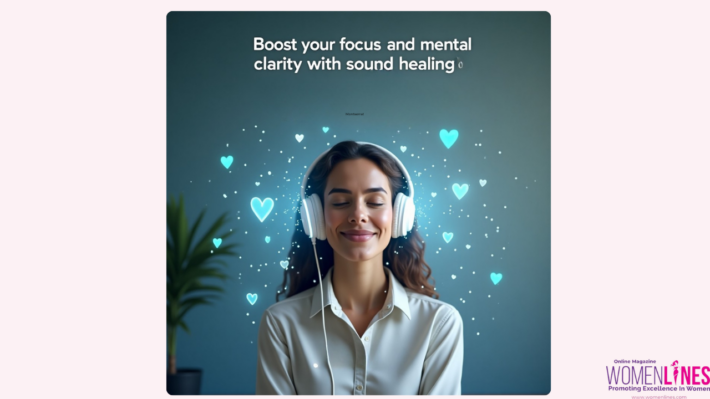
The Ancient Practice of Sound Healing
This isn’t science fiction. It’s sound healing, and it’s transforming how people approach mental clarity, stress relief, and overall wellness in 2025.
What Exactly Is Sound Healing?
Sound healing is a therapeutic practice that uses vibrations from instruments like singing bowls, tuning forks, gongs, and even the human voice to promote physical and emotional well-being. The principle is simple yet profound: everything in the universe vibrates at specific frequencies, including your body’s cells, organs, and even your thoughts.
When you’re stressed, anxious, or unfocused, your body’s natural frequencies fall out of harmony. Sound healing works by introducing specific vibrational frequencies that help restore this balance, allowing your nervous system to reset and your mind to regain clarity.
Think of it like tuning a guitar. When the strings are out of tune, the music sounds off. Sound healing “retunes” your body’s frequencies, bringing everything back into harmonic alignment.
The Science Behind the Sounds
While sound healing has roots in ancient practices spanning from Tibetan monks to Aboriginal Australians, modern science is finally catching up with what practitioners have known for millennia.
Research shows that sound healing frequencies can actually alter your brainwave patterns. When exposed to certain frequencies, your brain shifts from beta waves (associated with stress and active thinking) to alpha and theta waves (linked to relaxation, creativity, and meditative states).
One study found that just 30 minutes of sound healing with Tibetan singing bowls significantly reduced tension, anger, and fatigue while improving spiritual well-being. Participants reported feeling more focused and mentally clear for hours afterward.
The mechanism? It’s called “entrainment.” Your brain naturally synchronizes with external rhythms, which is why you might tap your foot to music without thinking. Sound healing uses this principle deliberately, guiding your brainwaves into optimal states for focus, relaxation, or sleep.
Why Sound Healing Is Perfect for the Modern Focus Crisis
Let’s be honest: our attention spans are under siege. Between endless notifications, constant context-switching, and information overload, maintaining focus feels like an uphill battle.
Sound healing offers a unique solution because it works with your biology rather than against it. Unlike caffeine or productivity hacks that force your brain into high gear, sound healing creates conditions where natural focus emerges effortlessly.
Here’s what makes sound healing particularly effective for focus:
It activates your parasympathetic nervous system. This is your body’s “rest and digest” mode—the opposite of fight-or-flight. When you’re in this state, your prefrontal cortex (the brain’s focus center) functions optimally. Sound healing sessions trigger this relaxation response within minutes, setting the stage for deep concentration.
It reduces mental clutter. The repetitive, resonant tones in sound healing act like a reset button for your mind. They crowd out the mental chatter, worries, and distractions that typically sabotage your focus. Many people report entering a “flow state” more easily after sound healing sessions.
It improves sleep quality. Let’s face it—poor sleep destroys focus. Sound healing frequencies, particularly those in the 4-8 Hz range, promote deep sleep and REM cycles. Better sleep means sharper focus the next day.
It’s cumulative. Unlike a cup of coffee that works for a few hours, regular sound healing sessions create lasting changes in how your brain processes stress and maintains attention. Think of it as training for your nervous system.
Real-World Benefits Beyond Focus
While improved concentration is impressive, sound healing delivers a cascade of other benefits that contribute to overall well-being:
Stress and anxiety reduction. Sound healing sessions can lower cortisol levels (your primary stress hormone) by up to 25%. The deep relaxation triggered by specific frequencies gives your adrenal system a much-needed break, reducing that constant “wired” feeling many people experience.
Pain management. Chronic pain often involves both physical and emotional components. Sound healing addresses both by reducing inflammation markers and releasing endorphins. Some people report significant relief from conditions like fibromyalgia, migraines, and arthritis after consistent sound healing sessions.
Enhanced creativity. When your brain enters alpha and theta wave states during sound healing, you access the same brainwave patterns associated with creative insights and “aha” moments. Many artists, writers, and entrepreneurs use sound healing specifically to overcome creative blocks.
Improved emotional regulation. Sound healing doesn’t just make you feel calm in the moment—it actually strengthens your ability to handle emotional challenges. Regular sessions increase heart rate variability, a key marker of emotional resilience and stress adaptability.
Better immune function. Chronic stress suppresses immune function. By regularly activating your parasympathetic nervous system through sound healing, you give your immune system space to function optimally. Some research suggests that the vibrations may even stimulate lymphatic drainage.
How to Experience Sound Healing
Ready to try sound healing for yourself? You have several options depending on your preferences, budget, and goals.
Group sound baths are the most accessible entry point. These sessions typically last 60-90 minutes and involve lying down while a trained practitioner plays various instruments around the room. Sound baths are offered at yoga studios, wellness centers, and even some spas. They’re affordable (usually $25-50) and provide a gentle introduction to sound healing’s effects.
Private sound healing sessions offer personalized attention. A practitioner will assess your specific needs—whether that’s anxiety, insomnia, or chronic pain—and customize the instruments and frequencies accordingly. These sessions typically cost $75-150 and can be profoundly transformative.
At-home practice is increasingly popular. You can purchase your own singing bowls, tuning forks, or download sound healing apps and recordings. While it lacks the power of live instruments, regular at-home practice can still deliver significant benefits. Many people use sound healing recordings during meditation, before sleep, or as background while working.
Sound healing retreats provide immersive multi-day experiences combining sound healing with other wellness modalities like meditation, yoga, and nature immersion. These are ideal if you’re looking for a deep reset or dealing with significant stress or burnout.
Choosing the Right Sound Healing Approach
Not all sound healing is created equal. Different instruments and frequencies serve different purposes:
Tibetan singing bowls produce complex, harmonic overtones that are particularly effective for meditation and stress relief. The vibrations penetrate deeply into body tissue, making them excellent for releasing physical tension.
Crystal singing bowls create pure tones that correspond to specific chakras or energy centers in the body. Many practitioners use crystal bowls for emotional healing and spiritual work.
Tuning forks deliver precise frequencies and are often used for targeted healing—whether that’s reducing inflammation in a specific joint or clearing mental fog. Tuning forks at 432 Hz are believed to resonate with nature’s frequency and promote overall harmony.
Gongs create a powerful, immersive sound that can feel almost overwhelming at first. Gong baths are intense experiences that can rapidly shift stuck energy and emotional patterns. They’re particularly effective for people who feel emotionally “blocked.”
Binaural beats involve playing two slightly different frequencies in each ear through headphones. Your brain perceives a third “phantom” frequency that can entrain brainwaves toward desired states. These are convenient for daily use but lack the physical vibration component of acoustic instruments.
Making Sound Healing Part of Your Routine
The key to maximizing sound healing’s benefits is consistency. Here’s how to integrate it into your life:
Start your day with intention. Even 5-10 minutes of sound healing in the morning can set a focused, calm tone for your entire day. Use a singing bowl or binaural beats app while doing breathwork or setting daily intentions.
Create focus rituals. Before tackling challenging work, do a brief sound healing session to clear mental clutter. Many people find that 15 minutes of sound healing makes them more productive than two hours of scattered effort.
Use it for transitions. Sound healing is excellent for shifting between activities. Coming home from work? A 10-minute sound session helps you leave work stress behind. Struggling to wind down at night? Sound healing signals your nervous system that it’s time to rest.
Combine with other practices. Sound healing amplifies the effects of meditation, yoga, journaling, and even exercise. The enhanced nervous system regulation makes all these practices more effective.
What to Expect During Your First Session
If you’re new to sound healing, knowing what to expect can ease any nervousness:
You’ll typically lie down on a yoga mat or massage table, often with blankets and eye masks provided. The practitioner will explain the process and may ask about any intentions or areas of concern.
As the sounds begin, you might notice physical sensations—tingling, warmth, or subtle vibrations moving through your body. This is completely normal and indicates the frequencies are working.
Your mind might wander initially. That’s okay. Sound healing doesn’t require effort or concentration. Simply allowing the sounds to wash over you is enough.
Some people experience emotional releases—tears, laughter, or memories surfacing. This is a sign of energetic clearing and should be welcomed without judgment.
After the session, you might feel deeply relaxed, slightly disoriented, or energized. Everyone responds differently. Many people report feeling more focused and emotionally balanced for days after a session.
The Future of Sound Healing
As more research validates sound healing’s benefits and technology makes it more accessible, this ancient practice is entering mainstream wellness culture. Hospitals are incorporating sound healing into pain management programs. Corporations are offering sound baths for employee wellness. Even high-performance athletes are using specific frequencies for recovery and mental preparation.
The beauty of sound healing lies in its simplicity. You don’t need to believe in anything metaphysical for it to work—the physiological effects happen regardless. The vibrations interact with your nervous system, your cells, and your brainwaves in measurable, repeatable ways.
In our overstimulated, perpetually distracted world, sound healing offers something rare: a scientifically-supported way to access deep rest and genuine focus without forcing anything. It’s not about pushing harder or trying to control your mind. It’s about creating conditions where your natural state of clarity and well-being can emerge.
Whether you’re struggling with focus, dealing with chronic stress, seeking creative inspiration, or simply wanting to feel more grounded, sound healing provides a powerful, accessible tool. The ancient wisdom of using sound for healing is meeting modern neuroscience, and the results are transforming how we approach mental clarity and wellness.
Your next level of focus and well-being might be just a sound bowl’s resonance away.
Quick Start Guide: Sound Healing for Focus
Morning routine (10 minutes): Use a 432 Hz frequency recording or singing bowl while doing box breathing (inhale 4 counts, hold 4, exhale 4, hold 4). This primes your nervous system for focused work.
Midday reset (5 minutes): When you hit the afternoon slump, use binaural beats at 10 Hz (alpha waves) to refresh mental clarity without caffeine’s jitters.
Pre-sleep ritual (20 minutes): Listen to theta wave frequencies (4-8 Hz) to transition into deep, restorative sleep. Better sleep equals sharper focus tomorrow.
Weekly deep practice: Attend a sound bath or do a 60-minute at-home session to maintain nervous system resilience and prevent burnout.
The most effective sound healing practice is the one you’ll actually do consistently. Start small, notice the effects, and gradually expand your practice as you experience the benefits firsthand.
Also read: Women’s Leadership Revolution: How to Leverage Biohacking for Peak Performance
Follow Womenlines on Social Media